

Bolivia
September 2013
Type of mission
Support and Tool Development
Partners
Terre sans frontière and AMULTIAGROS
Context and Issues
Amultiagros is a Bolivian NGO that supports rural farmers in their production and marketing efforts, providing expertise, funding and training.
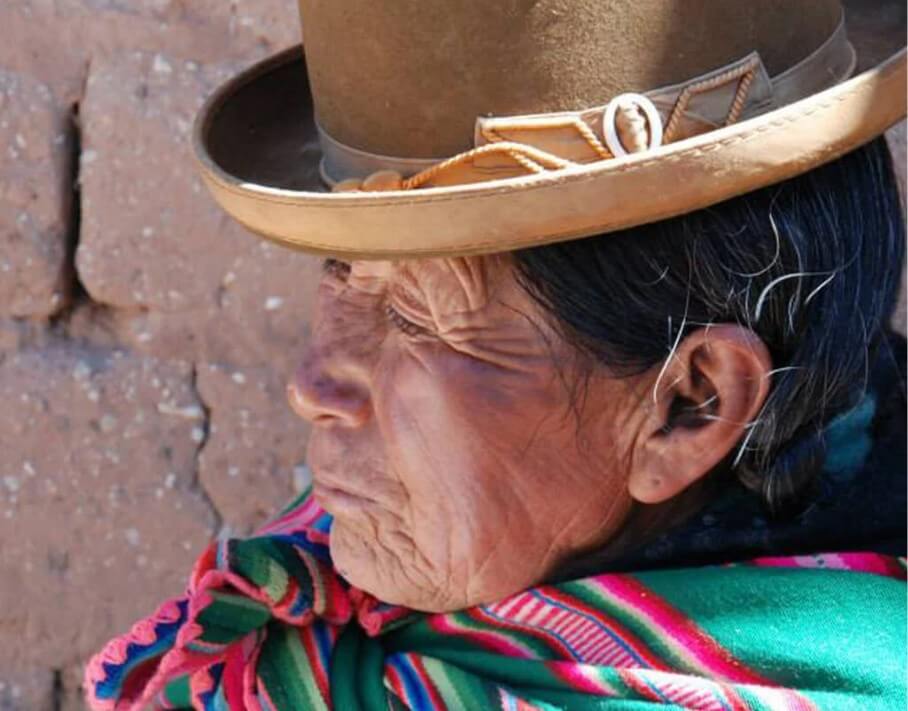
AMultiagros works with the dairy producers’ federation FEPROLEA, an association of 1,540 small-scale independent dairy producers in Bolivia’s Los Andes province. These families produce milkat an altitude of more than 4 000 metres in remote,arid regions with unpredictable weather conditions. Their lands are for the most part isolated from neighbouring communities in zoneswhere there is no technology infrastructure. To complete an ambitious project that would enable these small producers to improve their efficiency and increase sales, FEPROLEA must improve communications within the producers’ group, and betweenthe group and various stakeholders.
Internet and cellular access is very limited in these remote regions, and only a small number of producers have mastered the use of computers and cellphones. In 2014, the population in this region will experience a giant leap forward when a new satellite is commissioned, which will give access to the Internet and telecommunications to the entire country.
RPSF’S Role
During its first field mission, PRWB will help the local organization identify its communications needs and goals and support it in choosing the means that will enable them to achieve these goals.
Results
Using the methodology and tools provided by PRWB, the local Amultiagros team quickly identified the issues, drafted an initial internal and external communicationsplan, and specified budget and resource needs. The first goal internally was to train members to use the tools so they can take advantage of the new satellite access to the Internet and telecommunications. Externally, the main aim was to strengthen inter-institutional relations and raise the visibility of Amultiagros. As a complement, PRWB helped the organization create the content for its new website and set up a first image bank using the 850 photos taken during the mission. When the mission head returned to Montreal, she convinced generous donors to provide Amultiagros with two high-quality digital cameras so it can create videos and presentations that meet its various training, communications and marketing needs.

Heads of Mission
Stacey Masson
Burkina Faso
June 2013
Violence Against Women and Girls
Type of mission
Support and Tool Development
Partners
Oxfam-Québec, Programme Santé Sexuelle Droits Humains (PROSAD) and Coalition Nationale De Lutte Contre Les Violences Faites Aux Femmes Et Aux Filles (CN/VFFF)
Context and Issues
Gender-based violence (GBV) is a major obstacle to development in many countries.
In Burkina Faso, a committee was established in 2006 at the behest of PROSAD (Sexual Health Human Rights Program), to carry out the first national campaign. Les 16 jours d’activisme contre les violences faites aux femmes et aux filles – Sixteen days to oppose violence against women and girls (an international campaign launched in 1991 by the First Institute of Women’s Leadership). Since then, a group of organizations, coordinated by the Marche mondiale des femmes in Burkina Faso runs this campaign every year. In 2011, the organizations agreed to create a Coalition nationale de lutte contre les violences faites aux femmes et aux filles (the Coalition) for a concerted initiative against the various forms of violence throughout the year.
RPSF’S Role
PRWB provides public relations and communications support to the Oxfam and Coalition teams in Burkina Faso. According to the needs identified and taking cultural, economic and political considerations into account, we share relevant elements of theory and best practices in public relations, through training sessions, coaching, advising, audits and preparation of adapted models.
Results
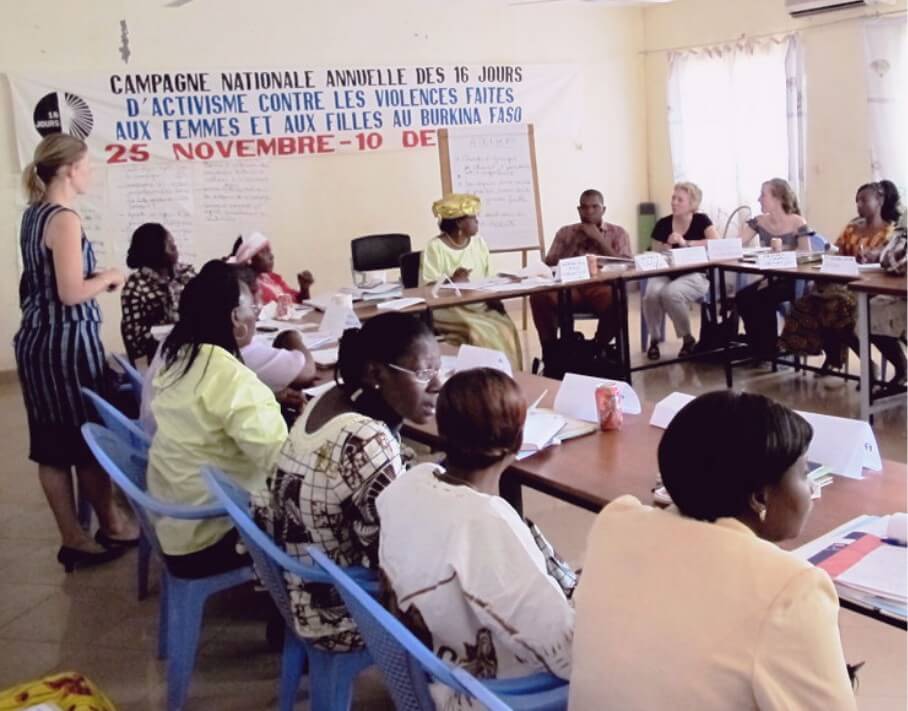
Since the first 2012-2014 action plan was developed for the CN/VFFF, 16 Days of activism took place, along with NOUS POUVONS, a campaign to end violence against women and girls, in all regions of the country. The aim of the most recent mission in June 2013 was to support the preparation of an internal communications plan for CN/VFFF that would ensure the flow of information among the various members of the “board of directors” and as well as the ongoing distribution of information externally.
In the second half of the mission, an audit of the NOUS POUVONS campaign was conducted in the field in Fada N’Gourma with the campaign coordinator and the many volunteers associated with the initiative. This audit demonstrated the success such a campaign can achieve with organized, targeted communications.
Heads of Mission
Anita Jarjour
Haiti
May 2013
Support for SUCO in Organizing a Special Event to Launch a Program to Revitalize Agriculture in the Commune of Marigot
Type of mission
Support and Tool Development
Partners
Solidarité Union Coopération (SUCO)
Context and Issues
The Programme de Relance en Agriculture et Nutrition alimentaire (PRAN) for the rural commune of Marigot, located near the town of Jacmel, receives significant financial support from several international organizations (including the European Union, ACDI, the Ministère des Relations internationales du Québec). It is essential to the program’s success to spark interest among the rural populations it targets.
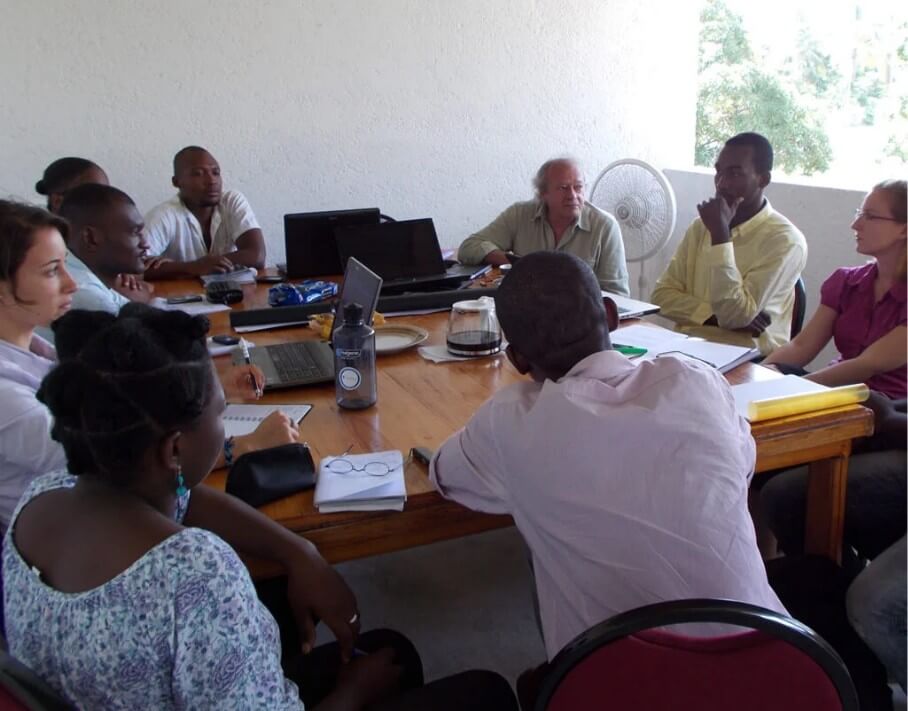
The partnership between PRWB and SUCO is aimed at bolstering the SUCO local project team’s capacities and those of local partner Cercle Divers (CED) in communications and event organization. The project’s specific goals are to structure an effective launch event and lay the groundwork for a communications plan for the next three years.
RPSF’S Role
In its advisory role, PRWB took part in analyses and identifying solutions with the local project team, reinforcing their ability to manage all aspects of an event with broad local, regional and international scope in order to maximize coverage. PRWB strengthened local capabilities in various areas of event management.
Results
The mission achieved all of its objectives. With support from PRWB, the local team managed all political and organizational aspects associated with organizing a major event and a reference guide was developed at the same time.
PRWB trained the local SUCO project team and local partner Cercle Divers. They are now independent and able to produce other events of a similar nature and apply the communications plan to supporting the mission.
Heads of Mission
Gilles J. Morin
Benin
May 2013
Support for a Waste Management Project
Type of mission
Support and Tool Development
Partners
Oxfam-Québec and Mairie de Sô-Ava
Context and Issues
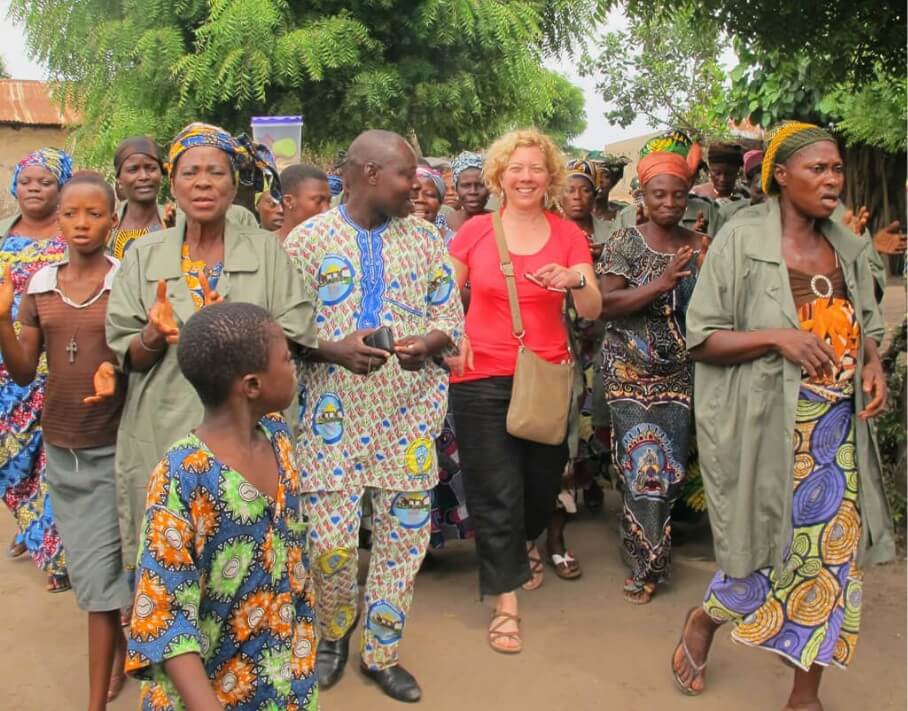
Covering 218 km2, the commune of Sô-Ava is home to some 100,000 people living in 42 villages, half of which are built on stilts in the lake. Three-quarters of the population does not have access to drinking water or sanitation infrastructures. There is no garbage pickup or waste management plan, and levels of cholera, malaria and other waterborne diseases are high. These unsanitary conditions also create problems for fish, livestock, agriculture and tourism.
With technical and financial assistance from Oxfam-Québec, the commune conducted a pilot project for solid and household waste management that included training groups of female volunteers, installing trash bins, distributing tools for waste pickup, sorting and composting, and awareness campaigns.
RPSF’S Role
The pilot project was highly successful. The villages in the project were notably cleaner than the others. The women are very motivated to continue. The commune of Sô-Ava wants to build on these positive results and set up a program for the entire community. The main obstacle is funding.
Oxfam-Québec and Sô-Ava’s town hall approached PRWB for help in developing a communications plan aimed at convincing financial backers to contribute to the project.
Results
The officials at Sô-Ava’s town hall and civil society organizations expressed their satisfaction with the support they received from PRWB and described it as highly useful. In particular, they appreciated the planning tools (workflow, checklist, etc.), coaching in presentation techniques, and advice for developing key messages and the presentation for financial backers, as well as the workshop on the communications plan.
Heads of Mission
Gabrielle Collu, Ph. D.
Uganda
April 2013
Support for the Development of a Network of Rural Schools
Type of mission
Support and Tool Development
Partners
Terre Sans Frontières and UPISA (Uganda Private And Integrated Schools Association)
Context and Issues
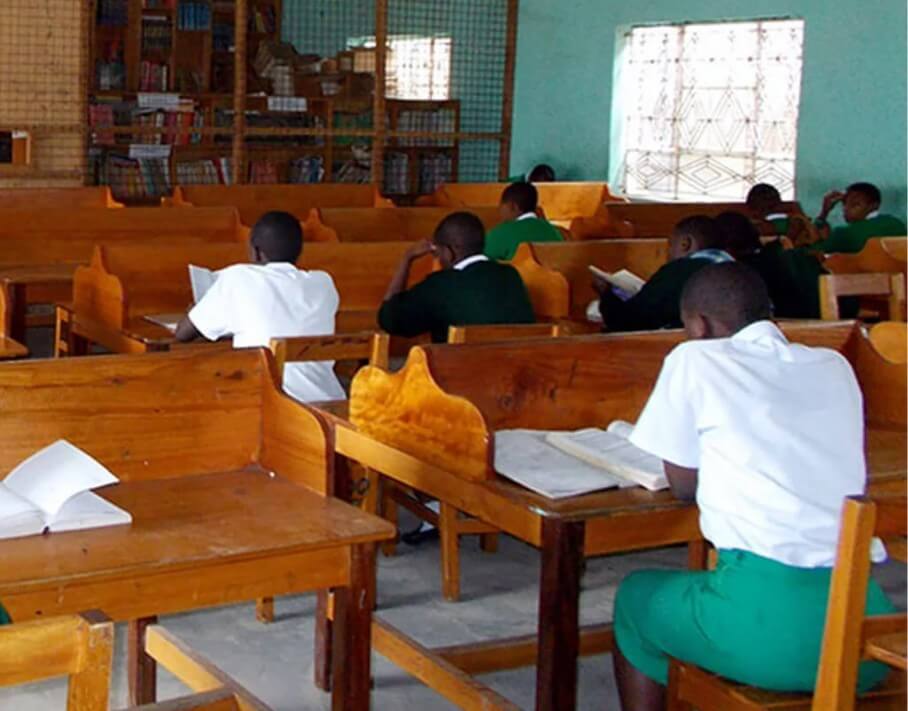
Young people make up half of the Republic of Uganda’s population. Despite strong support from the government, there are still insufficient resources for education, especially in rural areas. The private sector is attempting to compensate for this.
The Uganda Private and Integrated Schools Association (UPISA), with support from Terre sans frontières (TSF) and CIDA, successfully developed a network of schools to benefit poor rural populations.
UPISA is facing a very difficult situation. Its members’ needs are continually increasing and financial resources are woefully inadequate, despite TSF’s support. Without resources, UPISA could see some of its members leave and thus find itself unable to carry out its educational mission in needy communities.
RPSF’S Role
In this difficult context, TSF and PRWB reached an agreement to conduct a complete audit of the organization’s communications and funding situation, in order to lay the groundwork for a revitalization program that would enable UPISA to implement its development plan.
PRWB analyzed numerous documents, interviewed principals at 10 member schools as well as teachers in various regions of the country to conduct the audit, in collaboration with staff at the association’s secretariat.
Results
In collaboration with UPISA’s staff, PRWB produced a report for its partner, TSF, identifying the concrete measures that could improve UPISA’s ability to meet its various challenges. The audit addressed all aspects of communications, management of opportunities, funding and national and international positioning.
In addition to suggesting concrete applications, PRWB made UPISA aware of its ability to take its own development in hand and build on the different opportunities that are available.
Heads of Mission
Gilles J. Morin
Tunisia
March 2013
Support for an Organization that Helps Children
Type of mission
Support and Tool Development
Partners
L’association Un Enfant, Des Sourires (UEDS)
Context and Issues
Established in 2011, Un enfant, des sourires (UEDS) is a charitable association that sponsors five schools in a very poor region of northern Tunisia. It meets the children’s various needs, for example, by collecting clothing and school supplies and organizing various benefit events. It has obtained some sponsorships that provide substantial donations in money or materials. It also funds and supervises renovations at the schools, which, more often than not, are in an advanced state of disrepair.
To carry out its mission effectively, UEDS must meet a number of communication and public relations challenges. It needs to communicate effectively with the government and school officials to maintain the right of access to schools. Its members are primarily young educated, affluent citydwellers, so it must overcome social and cultural barriers to be accepted by the poor, undereducated parents of the children it wants to help. It must convince its sponsors and the public to support its work through donations in cash and in kind. Finally, it must be able to communicate effectively with the media in order to maintain the awareness that enables it to achieve its objectives.
RPSF’S Role
UEDS members have some expertise in social media and had managed to achieve good media awareness on their own. The contacts established before the mission indicated the need for change management (to change the attitudes and behaviours of certain groups). The mission sought to better understand the association’s needs and train some of its members in the basics of communications. Discussions on site revealed a need for UEDS to formalize its position to avoid fragmentation.
Results
Inundated with requests to participate in numerous projects, the members understood the need to target their actions in a specific area in order to be more effective. UEDS spelled out its mission, vision and values. They also understand the benefit of having a communications plan and have the material they need to do so. The mission head stays in contact with the Association via the Internet.

Heads of Mission
Guy Versailles
Bolivia
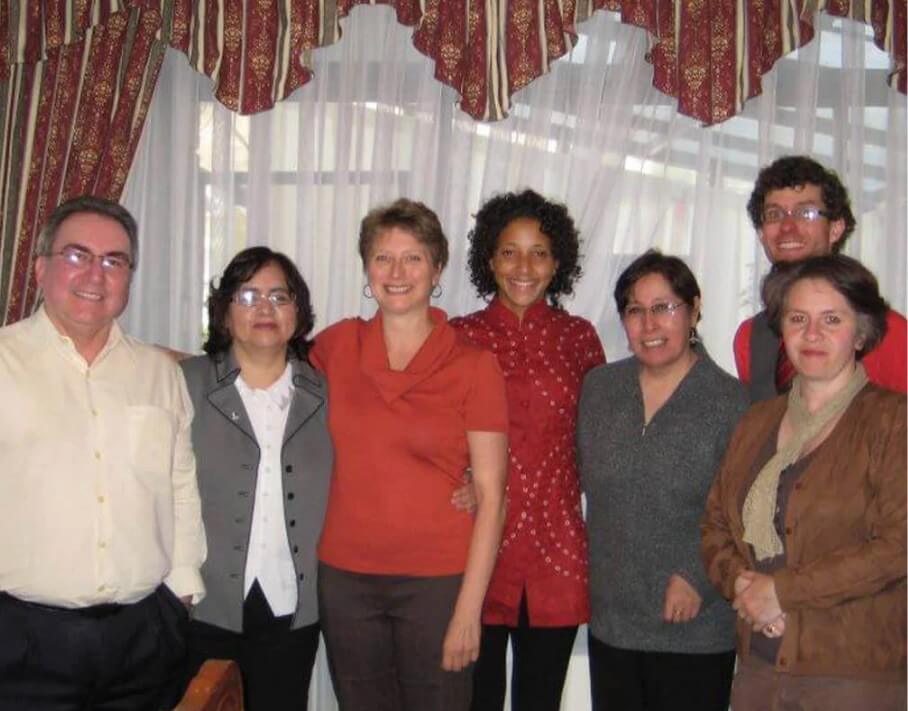
October 2012
Support for Bolivian Solidarity Economy and Fair Trade Movement
Type of mission
Support and Tool Development
Partners
Centre d’étude et de Coopération Internationale (CECI), CECI BOLIVIE and MESYCJ (Movimiento De Economia Solidaria Y Comercio Justo)
Context and Issues
More than 60% of the working population is involved in Bolivia’s informal economy; as in other sectors, its indigenous producers are very poorly paid for their work.
In 2008, CECI took part in establishing MESyCJ, which represents more than 75 organizations and other social institutions working to increase respect for the rights of small producers. In 2010-2011, MESyCJ, together with the government, contributed to strengthening solidarity economy policies in the country. MESyCJ also assists its members with marketing their products.
Following the initial enthusiasm that followed its creation, MESyCJ has run out of steam; it is becoming increasingly difficulty to mobilize the members.
RPSF’S Role
Together with the CECI, PRWB identified some significant communications needs. Internally, there was a need to reinforce communications among members of the Movimiento and externally, to raise awareness and highlight its successes.
Results
The consultation workshop on internal communications organized on site by PRWB helped improve communications between the Movimiento’s management and its members, who were able to validate some of the initiatives already under way. Participants also understood the importance of making certain choices. Revamping the organization’s official PowerPoint presentation made it easier to present its success stories and vision of the future.

Heads of Mission
Isabelle Roy
Niger
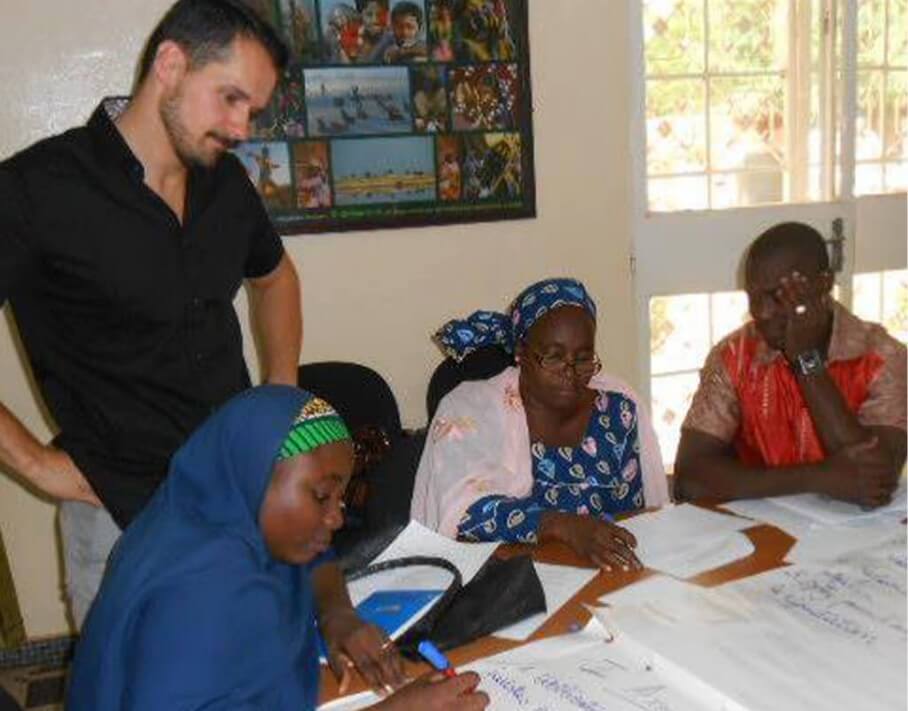
September 2012
Support for Organizations that Fight Gender-Based Violence
Type of mission
Support and Tool Development
Partners
Oxfam-Québec, Oxfam-Niger and Cadre de concertation pour la lutte aux violences basées sur le genre (CCLVBG)
Context and Issues
Gender-based violence, or GBV, is a major obstacle to development in many countries.
In 2004, Oxfam–Niger was instrumental in bringing together 19 Nigerian non-profits and four government ministries in a Cadre de concertation to fight these various forms of violence and assist victims. Oxfam–Niger, together with the United Nations Populations Fund, a major technical and financial partner in Niger, lead and support the work of the Cadre, which organizes training, information and awareness activities for its various audiences, notably in the context of the annual 16 Days campaign (16 jours d’activisme contre les violences faites aux femmes), which it has presented since 2006. The Cadre also conducts research and advocacy activities, as well as operating a referral service for victims.
RPSF’S Role
PRWB strengthens public relations and marketing communications capabilities for Oxfam-Niger and the Cadre. Depending on the needs identified and taking cultural, economic and political factors into account, PRWB transfers relevant theory and best practices in public relations through training, coaching, audits and providing models for communication tools.
RPSF also played an active role in supporting the Cadre’s operations by providing organizational expertise for internal regulations, job descriptions and the development plan.
Results
The Cadre has gained significant credibility with political authorities and civil society.
PRWB also contributed to consolidating the Cadre itself, through various activities aimed at clarifying its standards of reference and improving its operations.
Heads of Mission
Patrice Lavoie
Burkina Faso
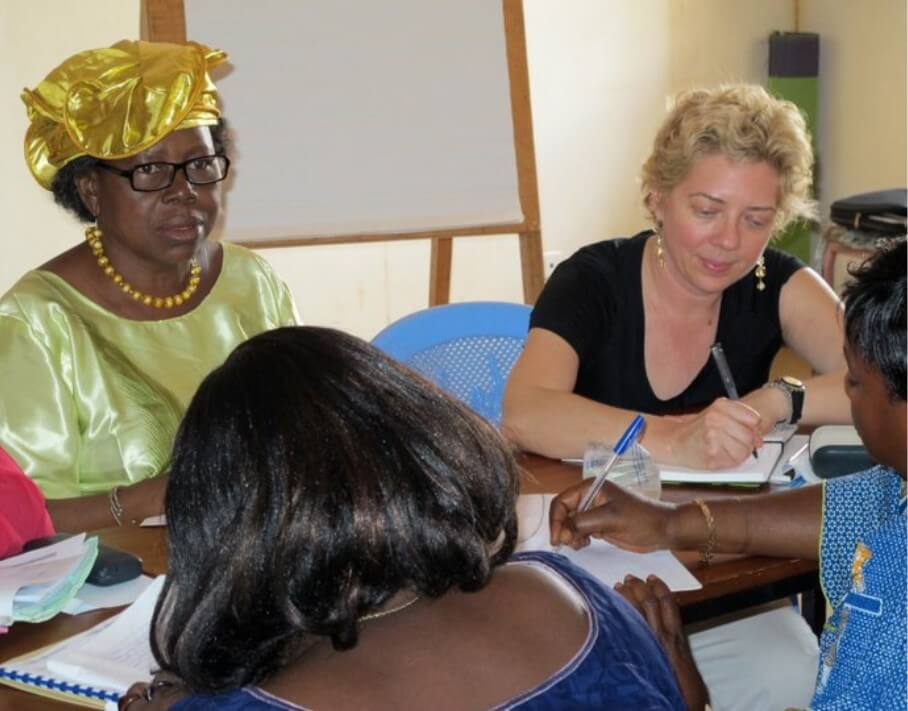
March and November 2011
Violence Against Women and Girls
Type of mission
Support and Tool Development
Partners
Oxfam-Québec, Programme santé sexuelle droits humains (PROSAD) and Coalition nationale de lutte contre les violences faites aux femmes et aux filles (CN/VFFF)
Context and Issues
Gender-based violence (GBV) is a major obstacle to development in many countries.
In Burkina Faso, a committee was established in 2006 at the behest of PROSAD (Sexual Health Human Rights Program), to carry out the first national campaign. Les 16 jours d’activisme contre les violences faites aux femmes et aux filles – Sixteen days to oppose violence against women and girls (an international campaign launched in 1991 by the First Institute of Women’s Leadership). Since then, a group of organizations, coordinated by the Marche mondiale des femmes in Burkina Faso runs this campaign every year. In 2011, the organizations agreed to create a Coalition nationale de lutte contre les violences faites aux femmes et aux filles (the Coalition) for a concerted initiative against the various forms of violence throughout the year.
RPSF’S Role
RPSF provides public relations and communications support to the Oxfam and Coalition teams in Burkina Faso. According to the needs identified and taking cultural, economic and political considerations into account, we share relevant elements of theory and best practices in public relations, through training sessions, coaching, advising, audits and preparation of adapted models.
Results
Since the first 2012-2014 action plan was developed for the CN/VFFF, 16 Days of activism took place, along with NOUS POUVONS, a campaign to end violence against women and girls, in all regions of the country. The aim of the most recent mission in June 2013 was to support the preparation of an internal communications plan for CN/VFFF that would ensure the flow of information among the various members of the “board of directors” and as well as the ongoing distribution of information externally.
In the second half of the mission, an audit of the NOUS POUVONS campaign was conducted in the field in Fada N’Gourma with the campaign coordinator and the many volunteers associated with the initiative. This audit demonstrated the success such a campaign can achieve with organized, targeted communications.
Heads of Mission
Gabrielle Collu, Ph. D.
Niger
Juin 2011
Support for Organizations that Fight Gender-Based Violence
Type of mission
Support and Tool Development
Partners
Oxfam-Québec, Oxfam-Niger and Cadre de concertation pour la lutte aux violences basées sur le genre (CCLVBG)
Context and Issues
Gender-based violence, or GBV, is a major obstacle to development in many countries.
In 2004, Oxfam–Niger was instrumental in bringing together 19 Nigerian non-profits and four government ministries in a Cadre de concertation to fight these various forms of violence and assist victims. Oxfam–Niger, together with the United Nations Populations Fund, a major technical and financial partner in Niger, lead and support the work of the Cadre, which organizes training, information and awareness activities for its various audiences, notably in the context of the annual 16 Days campaign (16 jours d’activisme contre les violences faites aux femmes), which it has presented since 2006. The Cadre also conducts research and advocacy activities, as well as operating a referral service for victims.
RPSF’S Role
RPSF strengthens public relations and marketing communications capabilities for Oxfam-Niger and the Cadre. Depending on the needs identified and taking cultural, economic and political factors into account, RPSF transfers relevant theory and best practices in public relations through training, coaching, audits and providing models for communication tools.
RPSF also played an active role in supporting the Cadre’s operations by providing organizational expertise for internal regulations, job descriptions and the development plan.
Results
The Cadre has gained significant credibility with political authorities and civil society.
RPSF also contributed to consolidating the Cadre itself, through various activities aimed at clarifying its standards of reference and improving its operations.
Heads of Mission
Patrice Lavoie
Niger
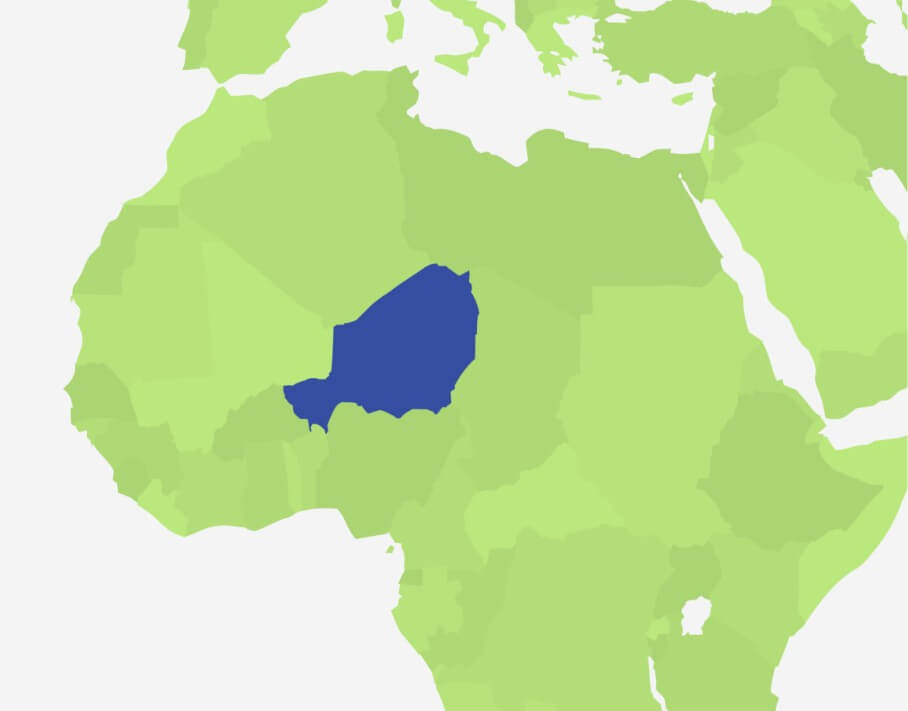
November 2010
Support for Organizations that Fight Gender-Based Violence
Type of mission
Support and Tool Development
Partners
Oxfam-Québec, Oxfam-Niger and Cadre de concertation pour la lutte aux violences basées sur le genre (CCLVBG)
Context and Issues
Gender-based violence, or GBV, is a major obstacle to development in many countries.
In 2004, Oxfam–Niger was instrumental in bringing together 19 Nigerian non-profits and four government ministries in a Cadre de concertation to fight these various forms of violence and assist victims. Oxfam–Niger, together with the United Nations Populations Fund, a major technical and financial partner in Niger, lead and support the work of the Cadre, which organizes training, information and awareness activities for its various audiences, notably in the context of the annual 16 Days campaign (16 jours d’activisme contre les violences faites aux femmes), which it has presented since 2006. The Cadre also conducts research and advocacy activities, as well as operating a referral service for victims.
RPSF’S Role
RPSF strengthens public relations and marketing communications capabilities for Oxfam-Niger and the Cadre. Depending on the needs identified and taking cultural, economic and political factors into account, RPSF transfers relevant theory and best practices in public relations through training, coaching, audits and providing models for communication tools.
RPSF also played an active role in supporting the Cadre’s operations by providing organizational expertise for internal regulations, job descriptions and the development plan.
Results
The Cadre has gained significant credibility with political authorities and civil society.
RPSF also contributed to consolidating the Cadre itself, through various activities aimed at clarifying its standards of reference and improving its operations.
Heads of Mission
Colette Schwartz, MBA
Niger
March 2010
Support for Organizations that Fight Gender-Based Violence
Type of mission
Support and Tool Development
Partners
Oxfam-Québec, Oxfam-Niger and Cadre de concertation pour la lutte aux violences basées sur le genre (CCLVBG)
Context and Issues
Gender-based violence, or GBV, is a major obstacle to development in many countries.
In 2004, Oxfam–Niger was instrumental in bringing together 19 Nigerian non-profits and four government ministries in a Cadre de concertation to fight these various forms of violence and assist victims. Oxfam–Niger, together with the United Nations Populations Fund, a major technical and financial partner in Niger, lead and support the work of the Cadre, which organizes training, information and awareness activities for its various audiences, notably in the context of the annual 16 Days campaign (16 jours d’activisme contre les violences faites aux femmes), which it has presented since 2006. The Cadre also conducts research and advocacy activities, as well as operating a referral service for victims.
RPSF’S Role
RPSF strengthens public relations and marketing communications capabilities for Oxfam-Niger and the Cadre. Depending on the needs identified and taking cultural, economic and political factors into account, RPSF transfers relevant theory and best practices in public relations through training, coaching, audits and providing models for communication tools.
RPSF also played an active role in supporting the Cadre’s operations by providing organizational expertise for internal regulations, job descriptions and the development plan.
Results
The Cadre has gained significant credibility with political authorities and civil society.
RPSF also contributed to consolidating the Cadre itself, through various activities aimed at clarifying its standards of reference and improving its operations.
Heads of Mission
Gilles J. Morin
Niger
September and November 2009
Support for Organizations that Fight Gender-Based Violence
Type of mission
Support and Tool Development
Partners
Oxfam-Québec, Oxfam-Niger and Cadre de concertation pour la lutte aux violences basées sur le genre (CCLVBG)
Context and Issues
Gender-based violence, or GBV, is a major obstacle to development in many countries.
In 2004, Oxfam–Niger was instrumental in bringing together 19 Nigerian non-profits and four government ministries in a Cadre de concertation to fight these various forms of violence and assist victims. Oxfam–Niger, together with the United Nations Populations Fund, a major technical and financial partner in Niger, lead and support the work of the Cadre, which organizes training, information and awareness activities for its various audiences, notably in the context of the annual 16 Days campaign (16 jours d’activisme contre les violences faites aux femmes), which it has presented since 2006. The Cadre also conducts research and advocacy activities, as well as operating a referral service for victims.
RPSF’S Role
RPSF strengthens public relations and marketing communications capabilities for Oxfam-Niger and the Cadre. Depending on the needs identified and taking cultural, economic and political factors into account, RPSF transfers relevant theory and best practices in public relations through training, coaching, audits and providing models for communication tools.
RPSF also played an active role in supporting the Cadre’s operations by providing organizational expertise for internal regulations, job descriptions and the development plan.
Results
The Cadre has gained significant credibility with political authorities and civil society.
RPSF also contributed to consolidating the Cadre itself, through various activities aimed at clarifying its standards of reference and improving its operations.

Heads of Mission
Deanna Drendel
Mission Partners
Observatoire tunisien de l’indépendance de la magistrature (OTIM)
UPA-DI
Un enfant, des sourires (Tunisie)
SUCO
World Wordlife Fund
UPA-DI
Un enfant, des sourires (Tunisie)
SUCO
World Wordlife Fund