
Cameroon
August 2018
Type of mission
Support and Tool Development
Partners
Cuso International
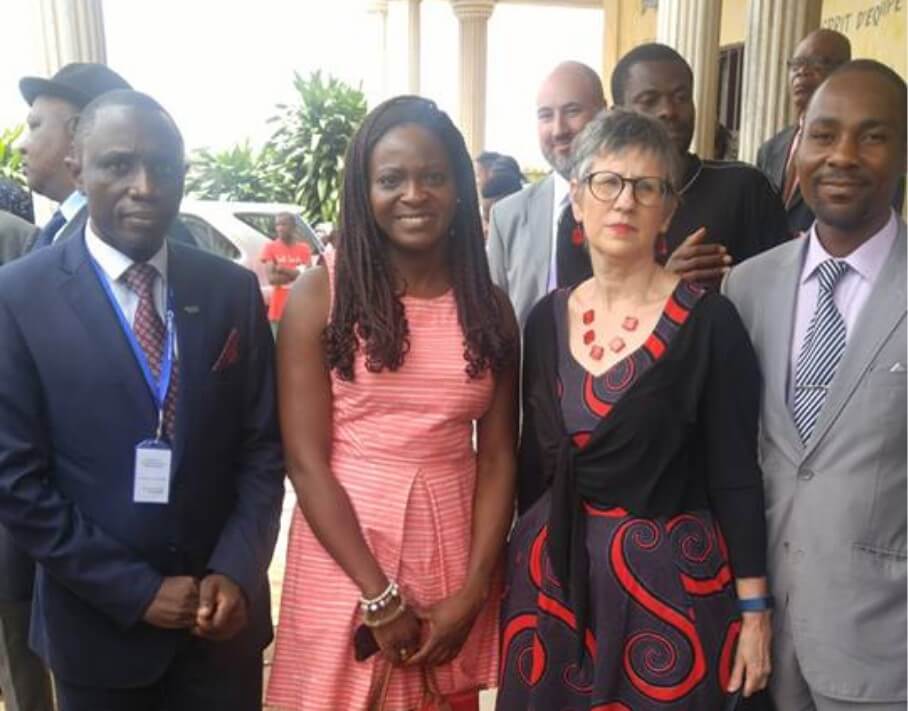
The mission head, Malika Noubissié, travelled to Edea in Cameroon with Cuso International to strengthen the written and internal communications capacities of Cam-Eco. She was responsible for establishing communications techniques that would allow them to write articles and produce pamphlets/mini brochures, and for reviewing the internal structure of the organization to identify the real issues within the team.
The organization Cam-Eco was created in September 2000 on the initiative of engineer Cécile Ndjebet, an agronomist by training. She coordinates the structure with the support of a team of 17 qualified employees. Over the years, Cam-Eco has become an important player in the implementation of community projects aimed at improving the living conditions of local populations. Its goal is to help communities to combat poverty through sustainable management of the environment.

Heads of Mission
Malika Noubissié
Cameroon
March 2018
Campo Ma’an National Park
Type of mission
Support and Tool Development
Partners
WWF (World Wildlife Fund)
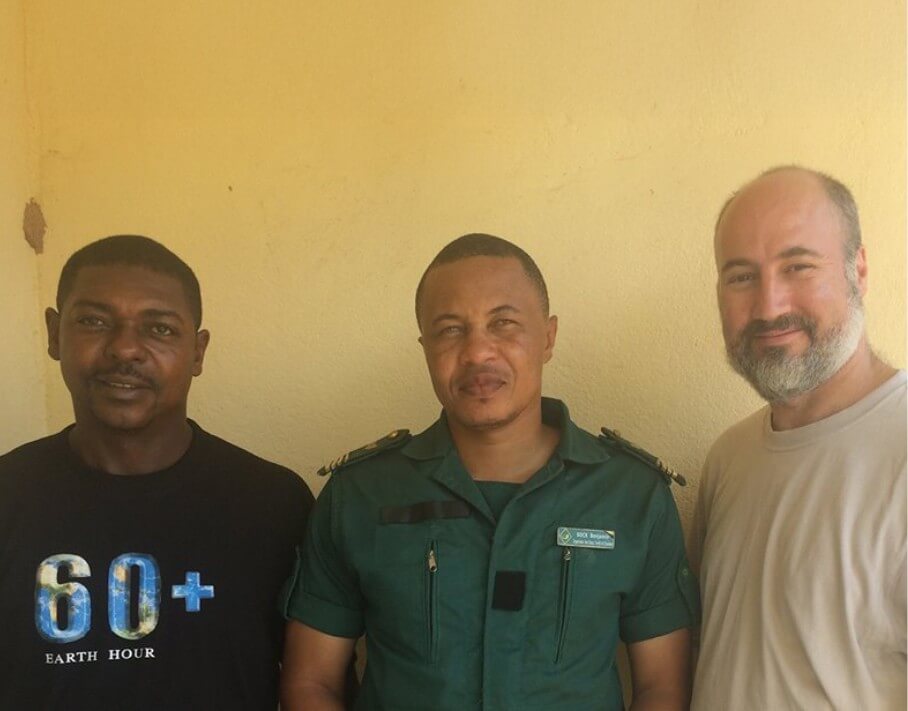
The mission head, Maxime Laliberté, travelled to Campo, in southern Cameroon, to increase the region’s tourism visibility, with a view to ultimately allowing its partner, the WWF, to present the park’s eco-tourism potential to the general public and, at the same time, to increase the number of visitors to the national park.
Their partner also wishes to encourage responsible tourism that not only improves the people’s quality of life, but also preserves the natural and cultural resources in targeted areas. In Cameroon, a large part of the population lives in rural areas and therefore indirectly depends on nature. The challenge facing the team involved presenting ecotourism as a sustainable solution for economic and social development focused on the preservation of natural resources.
Heads of Mission
Maxime Laliberté
Mali
November 2017
Advocacy Support
Type of mission
Support and Tool Development
Partners
Lawyers Without Borders Canada
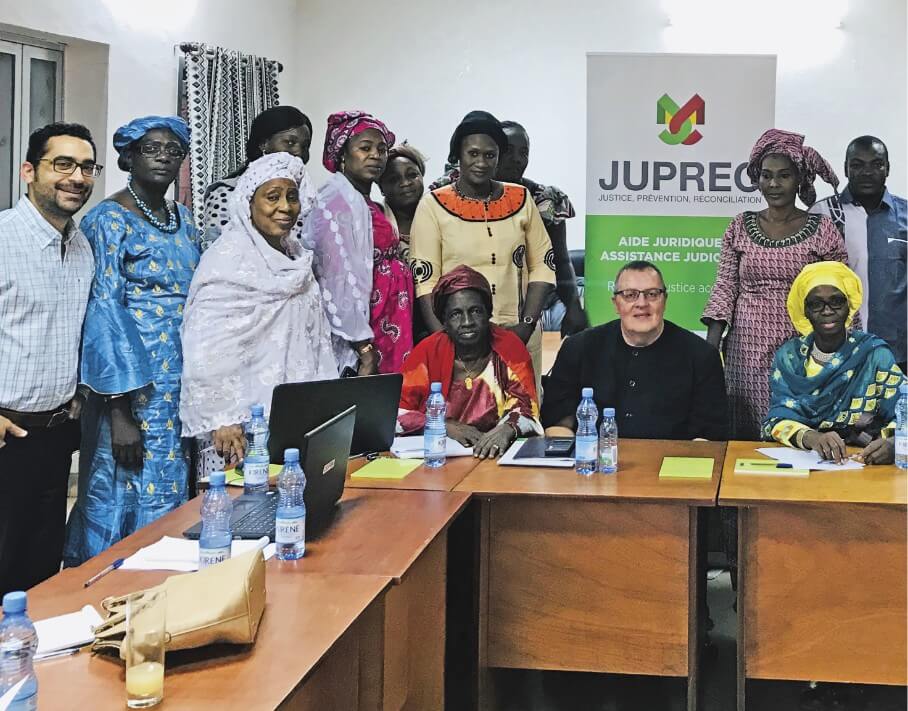
The project Justice, Prevention and Reconciliation for Women, Minors and Others Affected by the Crisis in Mali (JUPREC) was created to provide access to justice for victims of the crisis and to ensure that their rights are respected.
During the mission, workshops and group training sessions were held to develop the capacities of justice actors and organizations of civil society to advocate in favour of laws pertaining to legal representation and the handling of victims, focusing more specifically on reviewing the law pertaining to legal aid and the bill on gender-based violence.
Louis Moubarak, the mission head, with the assistance of the organization Lawyers Without Borders Canada, was to assess communications needs and strengthen the capacity of legal players to advocate for better laws.
The mission’s workshops provided representatives of civil society organizations and the JUPREC project with the tools required for effective advocacy and the monitoring of its effectiveness.
Heads of Mission
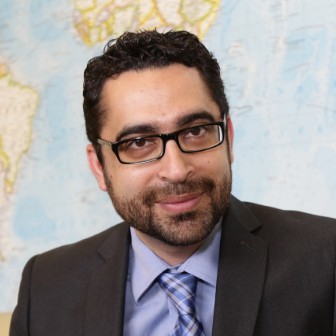
Louis Moubarak, ARP
Senegal
October 2017
Sustainable Development Support
Type of mission
Support and Tool Development
Partners
Association des apiculteurs du Sénégal
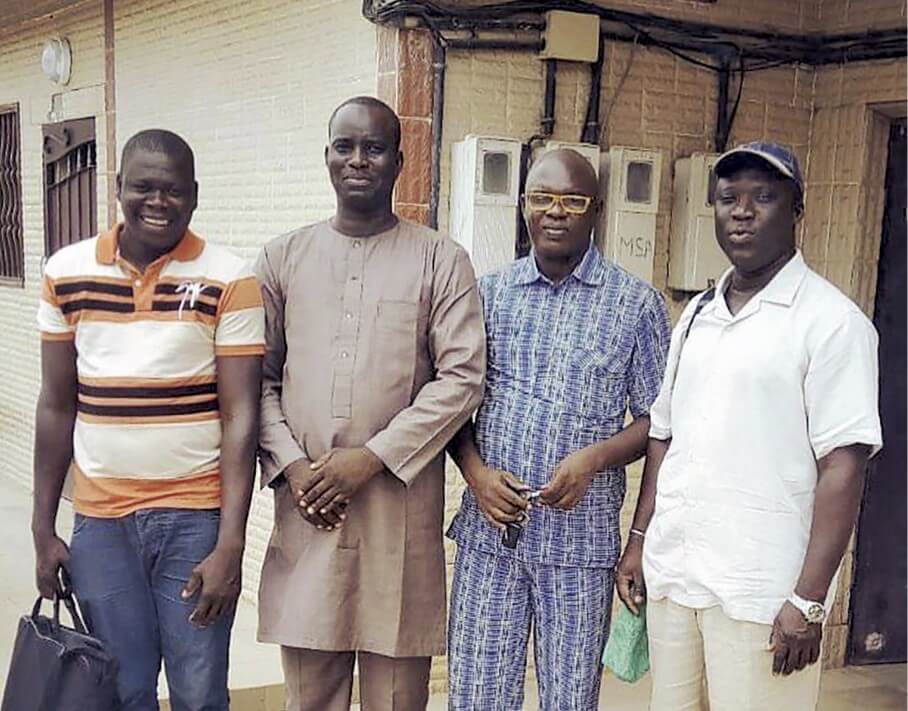
The mission head, Assane Badji, travelled to Senegal with the Association des apiculteurs du Sénégal to help organize the Casamance honey festival at the Ziguinchor chamber of commerce.
The goal of the mission was to promote organic beekeeping as a promising avenue for the area’s sustainable development, to provide a space for the sharing of best practices among beekeepers, and to offer training workshops on adaptation issues facing beekeepers in a time of climate change.
The event had three objectives: to promote honey products with local residents; to establish and promote networking among local and international beekeepers; and to raise awareness among young people in schools of climate change issues and their impact on pollinators. The mission also served to raise participants’ awareness of male-female equality issues, among others.

Heads of Mission
Assane Badji
Colombia
August 2017
Assistance for Rural Women Entrepreneurs
Type of mission
Support and Tool Development
Partners
Oxfam-Québec and FEDEMUCC
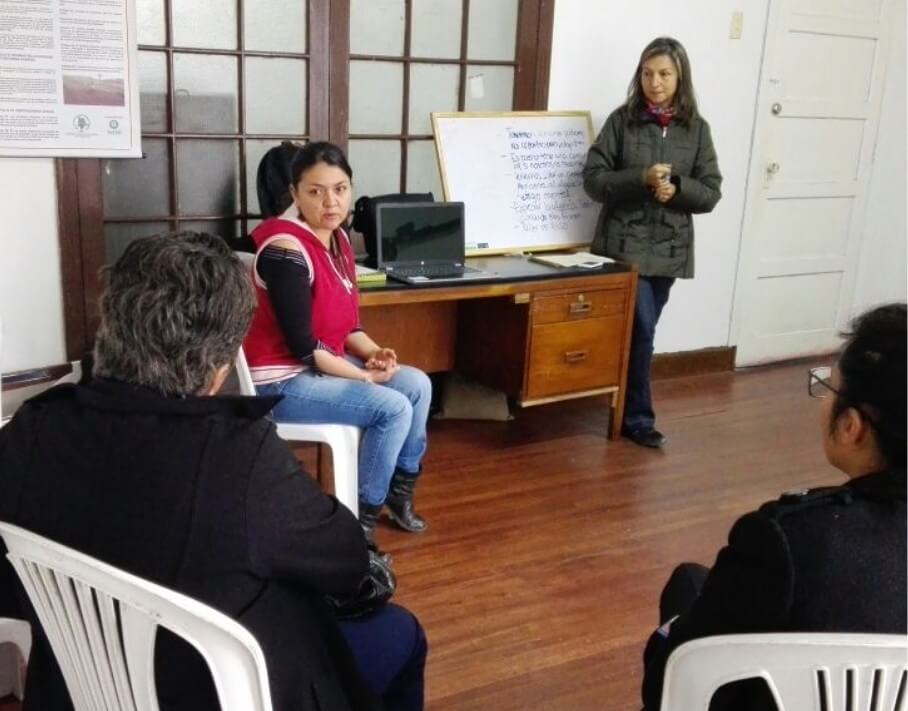
The Federación de Mujeres Campesinas de Cundinamarca (FEDEMUCC) is an organization comprising 23 associations of women entrepreneurs in rural environments who would like to strengthen their leadership capacities and increase their influence on decision-makers to promote the emergence and implementation of new municipal public policies that are better adapted to their social and economic reality.
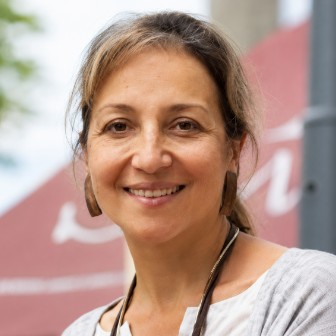
Patricia Castro, our mission head, worked with the women for a month in cooperation with our partner, OXFAM, to develop the public relations capacities of the FEDEMUCC. She organized a number of meetings with the leaders of the group; attended, as an observer, one of the meetings of FEDEMUCC representatives, with the ministerial secretary for women and equality between the sexes of the Department of the Cundinamarca; and, lastly, gave a workshop in “public relations, internal communications and advocacy” to local coordinators of the FEDEMUCC.
Heads of Mission
Patricia Castro
Colombia
May 2017
A Communications Plan to Fight Poverty
Type of mission
Support and Tool Development
Partners
Equitas Community Leaders and Techo
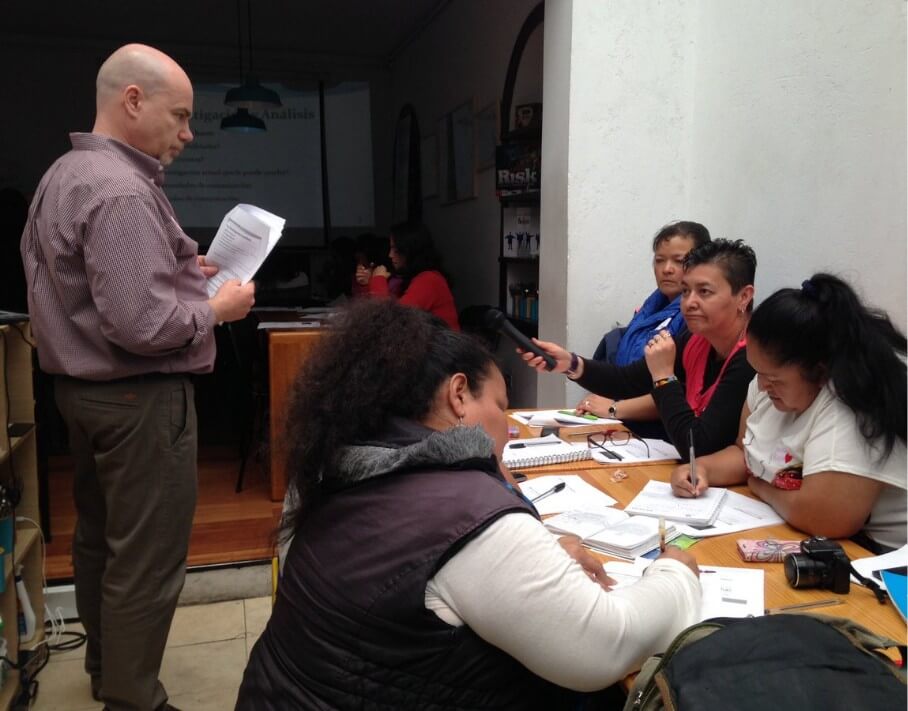
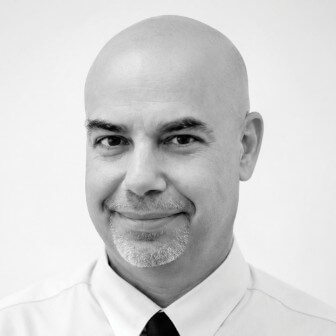
The mission head, John Ludwick, travelled to Bogota to support an Equitas project by giving seminars aimed at strengthening the communications/advocacy capacities of two different publics: Techo Colombia, an international NGO whose mission is to eradicate poverty in marginalized communities, and with the leaders of those communities.
The intervention took the form of two two-day seminars aimed at developing communications tools and techniques to allow both groups to better promote their work and gain greater recognition for their interventions in the field with Colombian stakeholders.
Heads of Mission
John Ludwick
Burkina Faso
August 2016
Communications Assessment for Three NGOs and Recommendations for Communication Tools
Type of mission
Support and Tool Development
Partners
UGCPA/BM, AFDR and APIL
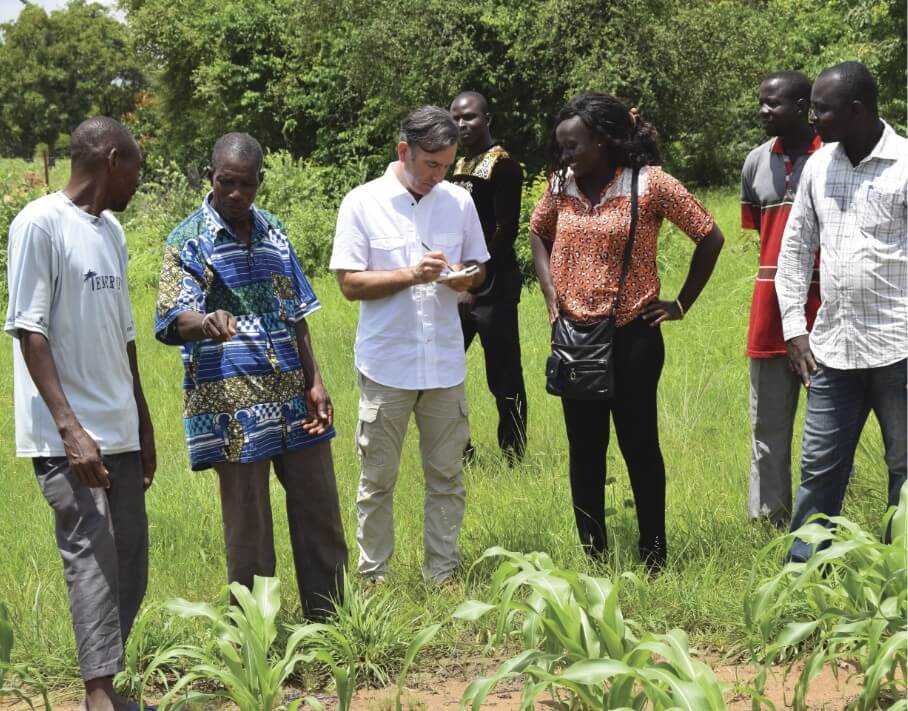
In August, Patrick Howe travelled to Burkina Faso to assess the communications needs of three local partners of the Léger Foundation participating in the project Food Security Innovation and Mobilization (FSIM). The three partners were the UGCPA/BM, APIL and AFDR.
Conducted in the form of interviews and meetings with the teams of the Burkinabé NGOs, the assessment carried out by our mission head led to the determination of how public relations could contribute to the achievement of their organizational goals. That groundwork will serve to prepare a second mission, which will be held in the country in 2017.
Patrick Howe also developed and delivered intensive practical training to the NGOs in order to meet the most pressing communications needs identified prior to and over the course of the mission.

Heads of Mission
Patrick Howe
Bolivia and Peru
August 2016
Creation of a Communications Plan for a Group of Dairy Farmers
Type of mission
Support and Tool Development
Partners
Oeuvre Léger, CINDES and Procural
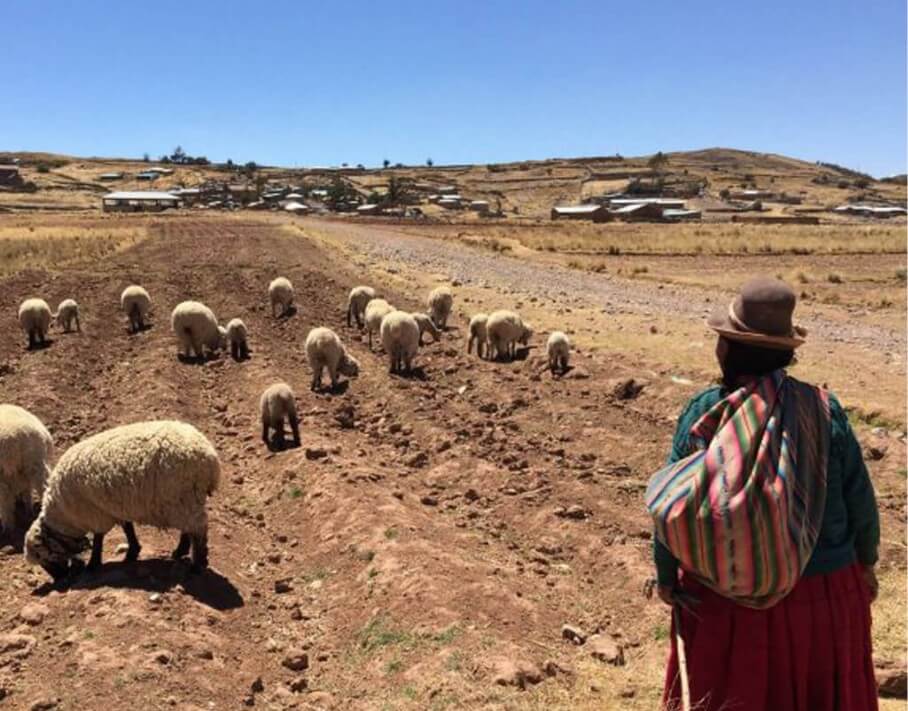
Karrel Cournoyer a travaillé, en partenariat avec l’Œuvre Léger et l’organisme Cindes au Pérou et l’organisme Prorural en Bolivie. La mission avait pour objectif de réaliser un diagnostic communicationnel interne et externe de ces deux organismes et ainsi contribuer au succès de l’implantation du projet Innovation et Mobilisation pour la Sécurité Alimentaire (IMSA). Ce projet vise à améliorer la sécurité alimentaire et les capacités productives et organisationnelles de plus de 7 000 producteurs agricoles et leur famille.
Les canaux de communications entre les autorités locales, les producteurs (associations et individus) et les intervenants des organismes, les réseaux de commerce et la visibilité et la notoriété des organismes auprès du grand public ont été analysés. Karrel a d’abord analysé les forces et les faiblesses avec l’équipe de ces deux organismes et a fait part de ses recommandations afin d’apporter des améliorations au niveau des outils de communication et les a guidés dans l’élaboration d’un plan de communication afin d’appuyer le projet IMSA.
Heads of Mission
Karrel Cournoyer
Senegal
April 2016
Institutional Communications Support
Type of mission
Support and Tool Development
Partners
UPA Développement International and Union Des Groupements Paysans De Méckhé (UGPM)
Context and Issues
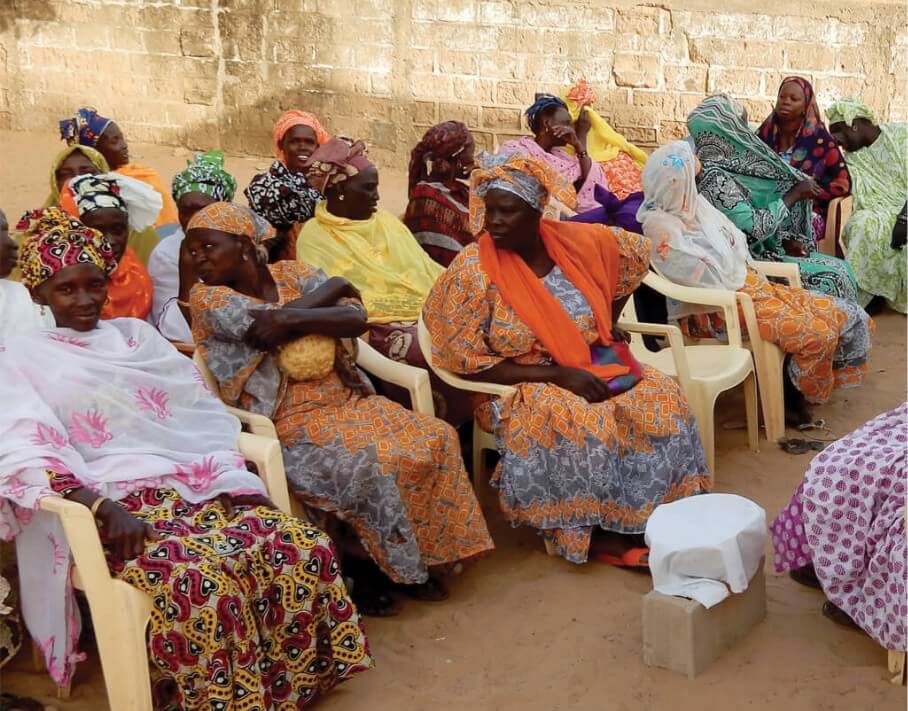
The Union des Groupements Paysans de Méckhé (UGPM) was formed in 1985 in response to a state of affairs making rural life increasingly harsh. The vision of the UGPM involves social development where the economic dimension is not an end in itself, but a means among others to help local families and businesses to achieve their full potential. The main activities in the area are agriculture, animal husbandry, forestry and handicrafts. The UGPM comprises 89 groups that now have over 5000 members, of which 61% are women.
The UGPM is active in five territorial communities and maintains reasonably good relations with decentralized authorities and State departments. However, its image could be improved, both internally and externally. In other words, how can the UGPM communicate effectively to promote itself on a political, social and economic level by basing itself on the cultural norms and values of the relevant area?
RPSF’S Role
The mandate of PRWB consists in supporting the UGPM in assessing its institutional communications methods with a view to promoting its image with local, national and international partners and strengthening its economic and social legitimacy with its members.
Results
The members of the UGPM team enthusiastically adopted a client approach towards their 5000 members and agreed to communicate with them without delay.
They implemented a coordination of the various programs and a system to support their communications, with the help of a communications plan and various tools adapted to their reality.
Heads of Mission
Alain Charbonneau
Jerusalem
April 2016
Strengthening of Communications and Management Capacities
Type of mission
Support and Tool Development
Partners
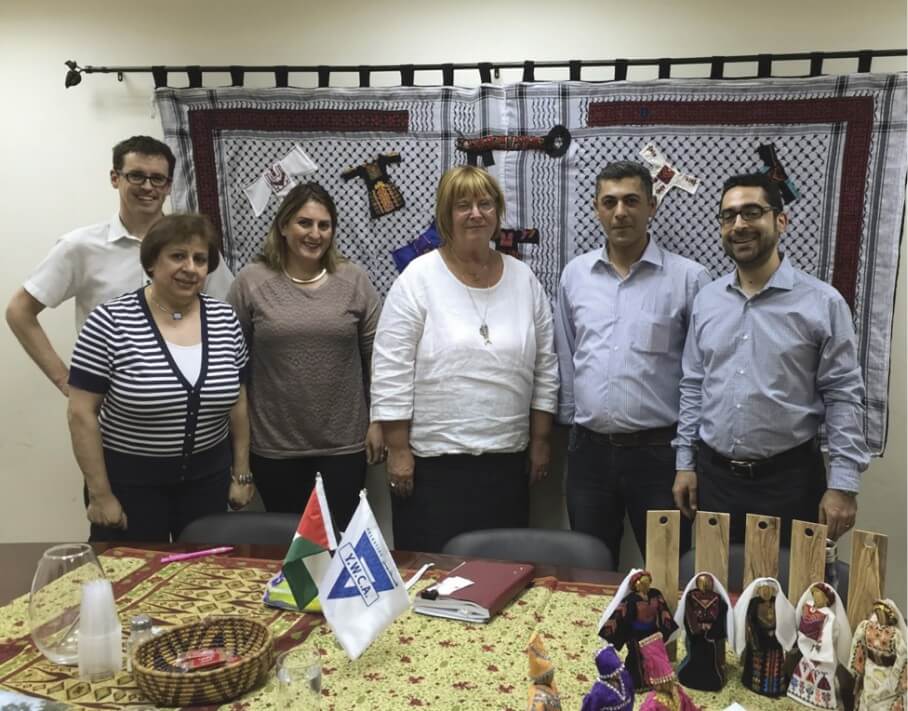
Oxfam-Québec and YWCA-Palestine
Context and Issues
Following an assessment by the partners in 2015, four partners of Oxfam-Québec in the Occupied Palestinian Territory and Israel expressed a need for a communications plan. Moreover, two other partners, were looking to fine-tune their communications strategy.
RPSF’S Role
The mandate consists primarily in supporting the partners of Oxfam-Québec in Jerusalem in drawing up both a communications strategy and plan. In parallel with that first mandate, it is also expected that a certain framework and transfer of knowledge will be provided to the technical communications consultant working on site, in Jerusalem, for Oxfam-Québec.
Results
The mission led to the development, with the YWCA , of a communications plan and strategy, while providing coaching to Oxfam’s technical communications consultant in Jerusalem to enable him to accompany other partners in drawing up their communications plans and strategies.
Heads of Mission
Louis Moubarak, ARP
Senegal
January 2016
Development of Agriculture
Type of mission
Support and Tool Development
Partners
UPA Développement International and CIFA (Centre Interprofessionnel Pour La Formation Aux Métiers De L’agriculture)
Context and Issues
One of the main missions of the non-profit association CIFA is to form and to accompany the producers and the leaders of their organizations in the strengthening of their technical, organizational, strategic capacities and management, to make the most of their integration in an economic and agricultural environment. One of the demonstrations of this mission is the partnership The Knowledges of Les Savoirs des Gens de la Terre (LSGT) / Project integrated by development of the agriculture and by capacity building ( PIDARC) between the CIFA, UPA DI and the agricultural professional organizations (OPA), the Union des groupements paysans de Méckhé (UGPM) and the Fédération des périmètres autogérés (FPA); the ambition is to make assert itself the beneficiaries, to strengthen them substantially and to facilitate them the implementation of successful, viable and sustainable individual and collective economic projects.
RPSF’S Role
The mission consists globally in supporting the CIFA in the realization of a diagnosis of its methods of communication and capitalization for its training programs. The results of this diagnosis will have to allow the writing of reference terms of two long-term missions and 8 short-term missions which will allow the improvement of the internal and external communication of the CIFA as well as the capitalization of the products of formation – support and the obtained results.
Results
The mission head of RPSF listed the practices of the CIFA and realized a diagnosis of the methods of communication and capitalization by leading, on the spot, more than about twenty interviews with all the different intervenants. The final report will be written and issued to the partners in the weeks following the end of the mission. This work is in progress at present.
Heads of Mission
Colette Schwartz, MBA
Honduras
January 2016
Support of Sustainable Development
Type of mission
Support and Tool Development
Partners
Oxfam-Québec, AESMO and ODECO
Context and Issues
AESMO is an organization of which one of the purposes is to improve the quality of life of the western Hondurians by favoring a better knowledge of the environmental stakes and a sustainable development of natural resources. ODECO aims essentially at improving the food safety of the agricultural producers of the region of Corquin. These two partners of Oxfam-Québec, who participate in the program Access innovation, expressed their need to develop, a plan and a communications strategy.
RPSF’S Role
Having shared some documentation and having visited the installations of the partners, our project manager met the teams to identify the strategies to be developed and the perceptions which both partners want to settle with their communication plans.
Results
The project manager, François Taschereau began the work of elaboration of the communication plans of both organizations and he will give them complete documents in the weeks following his stay in Honduras. This work is now in progress.

Heads of Mission
François Taschereau, ARP
Tanzania
December 2015
Training of Front-Line Interveners
Type of mission
Support and Tool Development
Partners
Equitas and Tusonge
Context and Issues
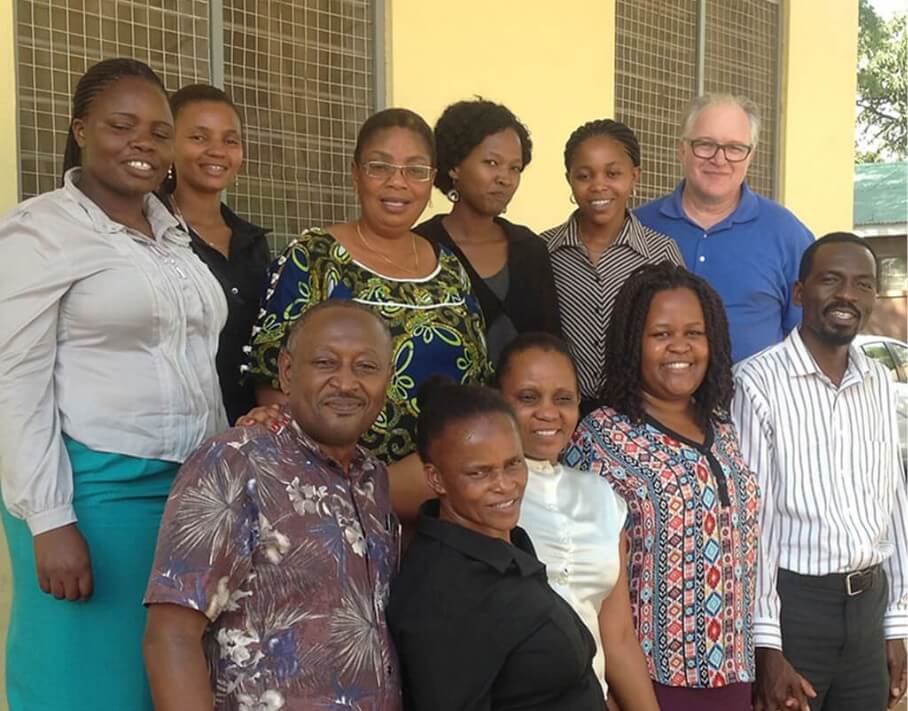
The Tanzanian partner of Equitas, Tusonge, develops models to awaken the children and the young people in the questions of human rights and supports their initiatives to reduce the violence, promote the gender equality and the inclusion, and guarantee the respect for human rights. With the support of local actors of Moshi, in the region of the Kilimanjaro, the activities include some community initiatives managed by young people and at the same time sessions of training for the local intermediaries.
RPSF’S Role
This time, Equitas requested RPSF to answer two very precise needs for Tusonge:
- The necessity of a communication plan which will be fastened to the organisation’s activities;
- The importance, for the participants, to transmit more clearly and in a more concise way, their spoken and written messages to various public.
Results
Pierre Gince, APR, the mission head, prepared a custom-made formation of four very busy days for the group of a dozen people. This basic training in communication, at the same time theoretical and practical, was profitable for each of the participants largely thanks to two determining factors: a meticulous preparation before the on-the-spot arrival of the project manager, thanks to a questionnaire with the participants and to conversations on Skype, as well as a preparatory visit of the project manager from its arrival, before the beginning of the formation, to see the team of Tusonge in action in the bush and at the local market.
Heads of Mission
Pierre Gince, ARP
Guinea
September 2015
Ebola Chrono or the Distribution of the Information
Type of mission
Support and Tool Development
Partners
Internews and Ebola Chrono
Context and Issues
Internews produced in Guinea, EBOLA CHRONO, a daily radio program and an electronic newsletter about Ebola. The radio program is broadcasted by 34 regional stations. The news bulletin is sent to approximately 200 people by e-mail. Internews wishes to multiply the tools of information in a way that all the media, the regional radios, the electronic bulletin and the social media, conjugate their efforts and play a vital role in the impact and the distribution of messages affecting the questions of health. This project is financed by OFDA-USAID since December, 2014 and it will be in operation until April, 2016.
RPSF’S Role
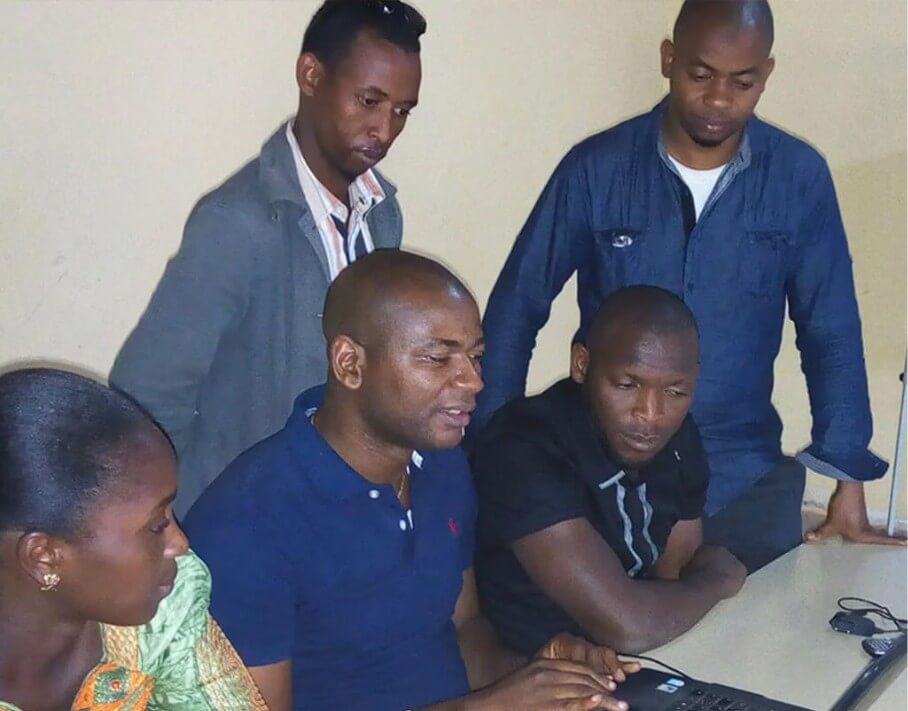
The objective of the present session is to form, remotely, two writers of the electronic bulletin Ebola Chrono as well as the journalists and other agents of Internews in Guinea regarding social media (Facebook, YouTube, Twitter). It is advisable to underline that given that Ebola is now under control in Guinea, Internews will put more and more the accent on the problems of health generally in its media.
Because of the narrow relation between the various media, it was suggested by PRWB holding a single session which would combine all the participants. The session was kept by Skype September 12th. It concerned the key elements of an effective information. Both trainers were Yvan Cliche for the social media and Colette Schwartz for the newsletter. A presentation was prepared and transmitted to the participants before the session.
Results
All the key elements to optimize the impact of the newsletter and the social media Facebook and Twitter was considered relevant by the participants. The new newsletter was published by holding in account the recommendations and the new layout.
Heads of Mission
Yvan Cliche, M. Sc., MBA
Heads of Mission
Colette Schwartz, MBA
Senegal
August 2015
Support for the Good Governance
Type of mission
Support and Tool Development
Partners
Equitas and Rencontre Africaine Pour La Défense Des Droits De L’homme (RADDHO)
Context and Issues
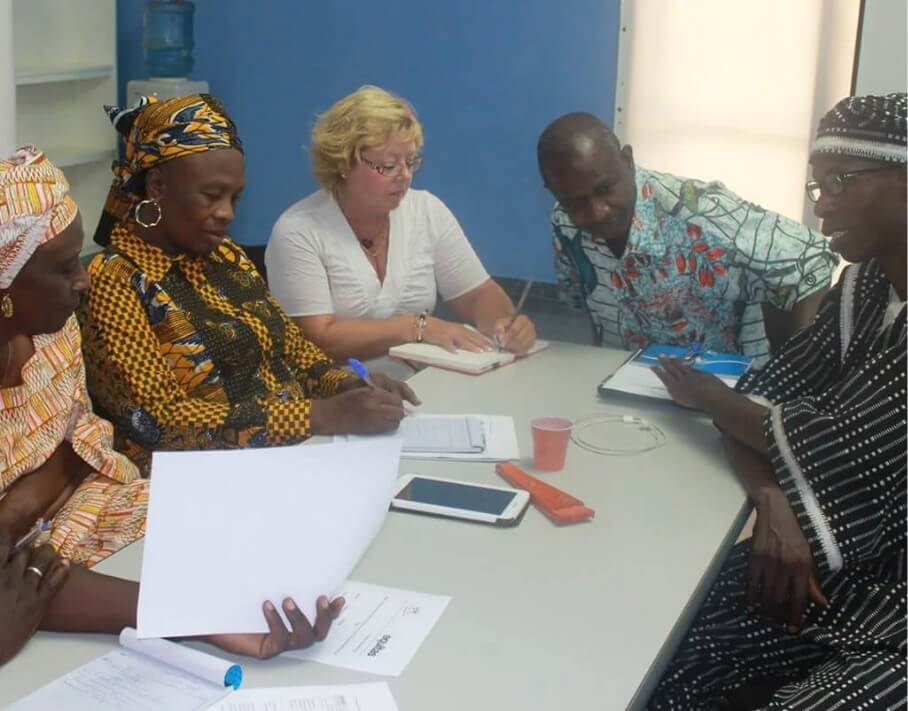
In anticipation of the meeting multi-actors which will be held in the end of October 2015 in Dakar, the Coalition of the organizations of the civil society – which groups the Equitas Senegal network with the support of Equitas Canada, the RADDHO and the committee of fight against violence against women – has for objective to become the reference center where will converge the specific actions in the sense of the recommendations of the annual periodic examination (EPU), the strategic meeting which will gather all the governmental and social actors who put of the front strategies to counter the violence made for the women, for the young people and for the children.
The challenge is considerable and the stakes are multiple while the Coalition concentrates on following both problems:
- the violence under all its forms the women of which are victims, the young people and the children is a phenomenon which must be estimated in a long-term perspective because of the numerous cultural social factors which are associated to it in cities as in rural areas;
- the question of the recognition of the registry civil status of the children to allow them the access to the education. Although the situation improves thanks to the bigger and bigger implication of the various governmental and social authorities, actions must be put to remedy this situation in the shorter run.
RPSF’S Role
The purpose of this mission is to help Raddho to take the leadership and to strengthen its role by allowing them to export their model of functioning in other regions of the country. The creation recently of local committees which set up structures and strategies turns out to be effective, but it is necessary to widen the circle of supports to assure a longer-term viability and to improve the imputability of the various actors.
Results
During the mission, Raddho better defined its communication plan and developed a detailed action plan in anticipation of the meeting multi-actors for the EPU. They also worked on the various arguments and began to collect the various quantitative and qualitative data to make progress their actions.
Heads of Mission
Joanne H. Fortin, ARP, FSCRP
India
July 2015
Supporting a Foundation in Developing a Broader Network for Access to Education
Type of mission
Support and Tool Development
Partners
Akanksha Foundation
Context and Issues
In spite of a lightning improvement of the number of inscriptions to the primary school in the last decade, the rates of unhookings in India are alarming.The Akanksha foundation, a non-profit organization, manages 16 public schools in partnership with the municipalities of Mumbai and Pune. Their mission is to supply a high-quality education to the children of low-income families to realize completely their potential and change their life.
The Akanksha foundation works closely with the parents and the communities surrounding their schools to create the conditions convenient to the learning. Everyone is engaged to contribute : headmasters, teachers, social and similar workers. The slightest problem which can damage the progress of the children is attacked frontally: alcoholism, violence, healthiness, food, etc.
RPSF’S Role
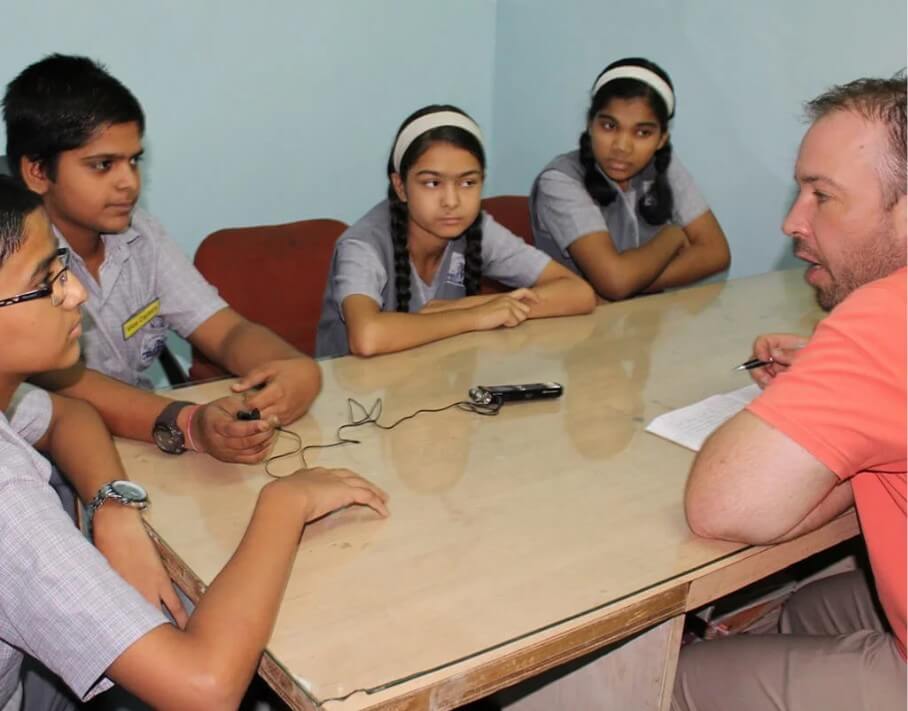
The purpose of this mission is to help the Akanksha foundation to promote its activities with his various partners and donors. At the same time, a longer-term association which would allow the Foundation to benefit from advice of RPSF is for the study.
Results
The Akanksha foundation will have now the possibility of using a bigger diversity of promotional tools. We shall watch with impatience the positive effects of these information campaigns which could favor the improvement and the expansion of its programs and activities.
Heads of Mission
Mathieu Larocque
Peru
October 2014
Strengthening of the Communications Capacities of an NGO / Support for the Development of Forest and Agricultural Projects (Reforestation)
Type of mission
Support and Tool Development
Partners
Althelia Climate Fund, AIDER (Asociacion Para La Investigacion Y El Desarollo Integral) and Ecotierra
Context and Issues
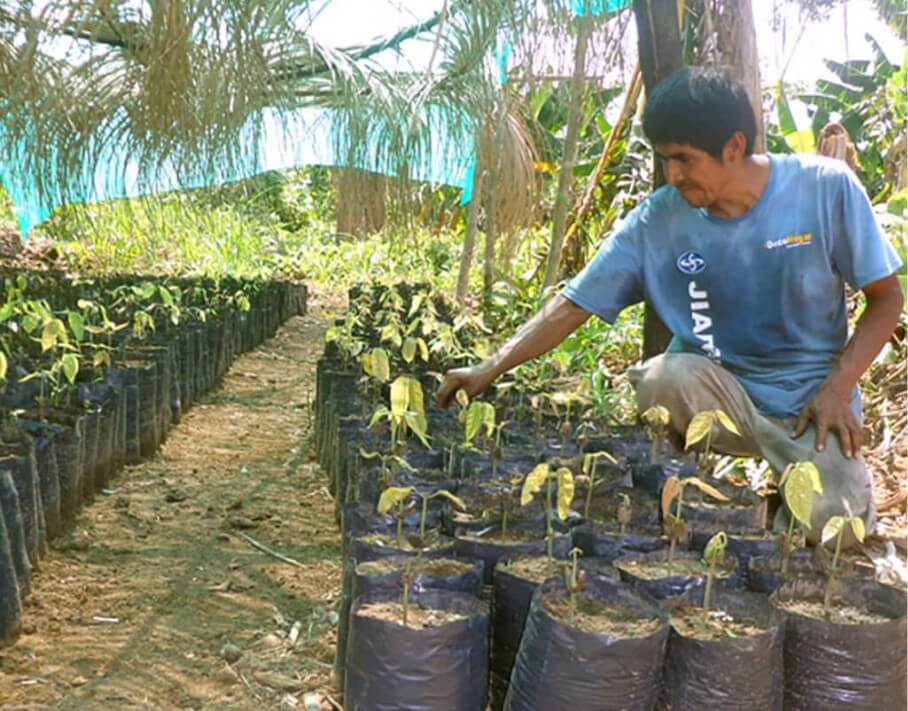
The project is located in the REDD (Reduced Emissions from Deforestation and Degradation) Tampobata buffer zone, a preservation area of over 300,000 hectares. The goal of the project is to reforest at least 4000 hectares of the REDD zone with productive cocoa forests.
The first phase of the project, covering 300 hectares, is funded by the Althelia Climate Fund. Established in Europe, the Fund invests in projects in Africa and Latin America targeting the reduction of CO2 by promoting sustained use of the land and the conservation of old-growth forests. Those projects generate forest carbon credits that can be sold on the voluntary compensation market. The group gave Ecotierra a mandate to assess the social situation in the area of the project, participate in the establishment of the cooperative, and support the latter in marketing the cocoa.
The Peruvian organization AIDER is a partner in the project and handles all relevant environmental aspects, including the environmental follow-up for carbon credits. A key member of Ecotierra, on site in Peru, has completed the task of recruiting leaders for the future cocoa producers that will form the cooperative. The next steps in the project are the legal establishment of the cooperative and the signature of agreements with producers to allow them to begin planting. It takes about two years for the first cocoa crop to be ready for sale. The installation of infrastructures for the cooperative will be carried out during that time, as will the search for additional donors/investors and future cocoa buyers.
Ecotierra is the Canadian partner responsible for ensuring the cooperative’s legal creation, overseeing its establishment and proper operation (receiving the cocoa, fermentation, drying and packaging), and marketing the cocoa. It reached out to Public Relations Without Borders (PRWB), asking the organization to support and accompany its people at a critical moment of the cocoa initiative project.
RPSF’S Role
To support the efforts of the small association, PRWB must conduct an external communications assessment and help it to draw up a communications plan. Then, strategies must be identified to implement external communications activities for potential investors and buyers of the cooperative’s products. And lastly, it is important to begin a concrete and effective implementation of communications tools and means.
Results
The mission of PRWB made a positive contribution to the advancement of the cocoa initiative project in terms of communications, both from a strategic and operational standpoint. More specifically, the communications plan that was drawn up highlighted the project’s strengths and weaknesses, axes of communication, and broad outlines of communications strategies, and identified the most relevant courses of action to attain targeted goals. From an operational perspective, the activities carried out during the mission contributed to the development of visual material that will be used to prepare the communications tools identified in the plan. It was agreed that the mission head would stay in touch with Ecotierra to provide strategic advice concerning the application of the plan, as required. Moreover, it would be a good idea to plan a second mission to evaluate the implementation of the communications plan.
Heads of Mission
Christine Cantin
Tanzania
August 2014
Support for the Development of a Secondary School Network
Type of mission
Support and Tool Development
Partners
Tanzania Union Of Parents Secondary Schools (TUPSS) and Terre Sans Frontières (TSF)
Context and Issues
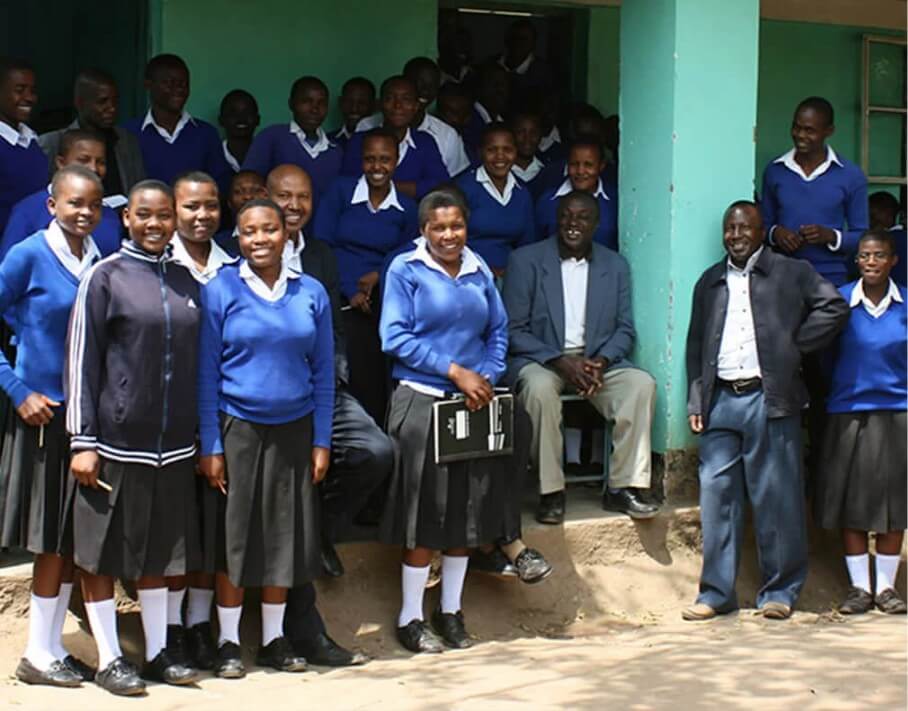
About 70% of Tanzania’s population is rural. Children under the age of 14 make up close to 50% of the country’s population. In rural areas, the private sector is attempting to compensate for inadequate education resources.
The Tanzania Union of Parents Secondary Schools (TUPSS) is an NGO founded in 2000 to improve educational conditions and take advantage of the pooling of resources. There were seven private secondary schools when it was founded. In 2014, TUPSS has been re-energized with a new executive committee has been formed and the addition of three new schools, for a student body of about 10,000 (60% girls and 40% boys). Most of the schools are located in rural areas in the regions of Arusha, Kilimanjaro and Moshi, and most are co-ed, with a few schools for boys or girls only. Three schools are outside these regions: one in Dar es Salaam and the two others are in Tabora and Manyara.
PRWB’s mission comes at an ideal time. TUPSS is growing and is in dire need of basic communications tools and a website. Communications with and among the members must be improved, and public awareness of TUPSS must be raised, especially to support fundraising efforts for projects at the schools.
RPSF’S Role
PRWB completed a 10-day mission to Tanzania in August 2014. With the collaboration of its partner, TSF, PRWB visited 12 of the 14 member schools to meet the principals and other staff members, conduct a communications audit, examine the individual schools’ strategic plans and the activities for generating revenues and other funding sources. PRWB had two meetings with the TUPSS executive committee to conduct interviews and make preliminary recommendations. It identified many communications needs, which were used to develop a draft plan that will enable TUPSS to implement a development and promotional program in 2015.
Results
At the post-mission meeting, the TUPSS executive committee expressed its satisfaction with the support it received from PRWB. It said that the observations, recommendations and preliminary advice provided were very useful, especially since the committee is unable to visit the schools on a regular basis. TUPSS understands the short-term priorities (mission, vision and values, dedicated communications resource, presentation of the organization and website). PRWB will provide TUPSS and TSF with a detailed report that includes an overall communications plan with concrete measures to improve its capabilities, templates for tools to help it with day-to-day management as well as a tree for the future website along with suggested content. PRWB plans to continue its relationship with TUPSS and TSF next year, by providing an advisory role as the recommendations are implemented.
Heads of Mission
Taïssa Hrycay
Maroc
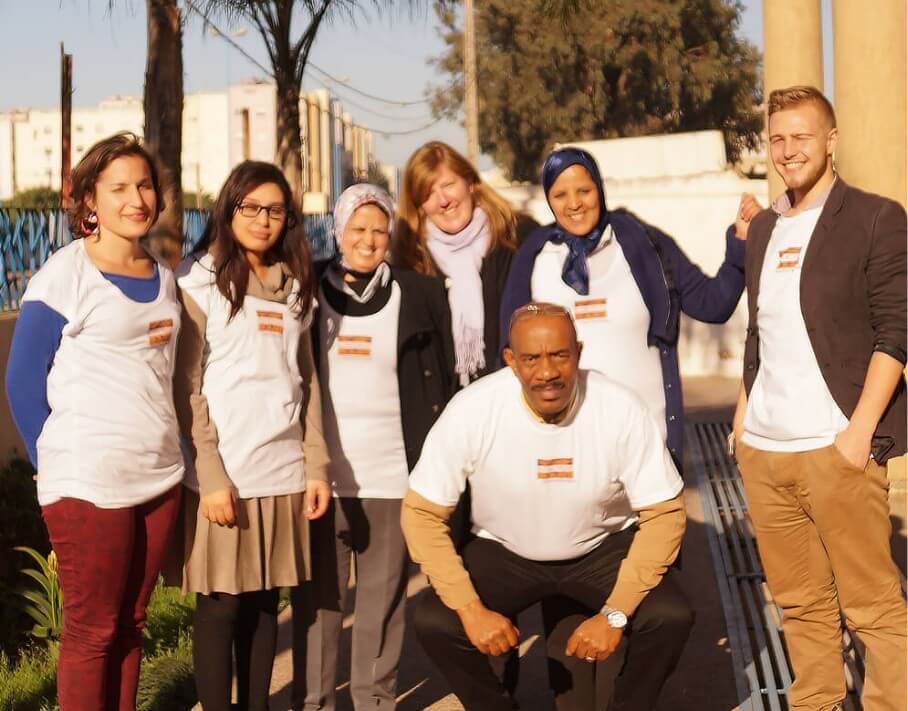
March 2014
Support for the Work of a Child Assistance NGO
Type of mission
Support and Tool Development
Partners
AL BAYTI
Context and Issues
BAYTI, which means “my house” in Arabic, is a Moroccan NGO based in Casablanca. It was created with the support of Terre des Hommes in 1994. BAYTI’s primary mission is to work with street children in Casablanca, and also in Essaouira and Kenitra (school-farm). BAYTI currently focuses on the prevention of children’s exclusion, the protection of children from all forms of violence, the psychosocial re-adaptation of children, the reintegration of families, the social and professional re-insertion of children and young people, the participation of children in the development and implementation of life projects, and the promotion of children’s rights.
BAYTI’s activities consist of three main programs: 1) Programme La Rue [street program]; 2) Programme Projet de Vie Individuelle [individual life program] and 3) La ferme école [school-farm]. Through its programs, BAYTI offers children and young people living in centres a number of activities enabling them to access their principal rights, including psycho-social assistance, medical care, legal and administrative assistance for children and their families, and a professional education and training program.
RPSF’S Role
To develop a strategy to increase people’s awareness of an association that promotes the rights of children with a view to enhancing its impact on civil society.
Results
Over the five days of the mission, an institutional communications plan was drawn up for the Association pour l’enfance en difficulté [association for exceptional children] in Morocco to increase people’s awareness of BAYTI and inform them of its activities. Once people become more familiar with its accomplishments, the organization will be in a position to serve them better.

Heads of Mission
Leslie Quinton
Mozambique
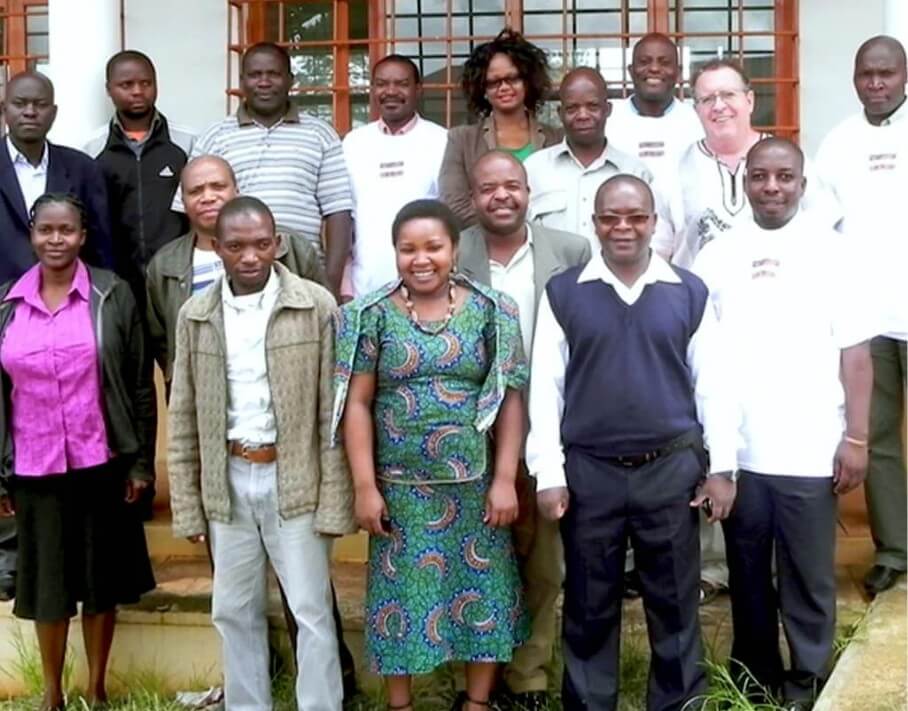
March 2014
Training Educators in Entrepreneurship Development
Type of mission
Support and Tool Development
Partners
Garneau-International, CÉGEP Garneau, Direcçao Nacional De Ensino Técnico-Profissional, Ministère De L’éducation, Mozambique
Context and Issues
In the provinces of Nampula and Niassa, in northern Mozambique, 41 teachers and managers from nine different schools and institutes needed support to develop learning communities that would connect schools and businesses in order to promote the areas’ entrepreneurial spirit and economic development. The project involved learning entrepreneurship through action, using hands-on, interactive workshops, and led to the establishment of nine entrepreneurship training companies, providing the necessary innovations for local socio-economic development. The training had to be given in Portuguese, the local language.
RPSF’S Role
Comme le volet communication n’est pas intégré au programme avant l’arrivée de RPSF, notre rôle est encore plus important. Il consiste à développer et renforcer les capacités d’élaborer et de mettre en œuvre une stratégie de promotion des produits et services dans un cadre entrepreneurial.
Results
The participation of PRWB broadened the field of expertise, notably regarding specific aspects of training teachers, such as ways to collect market information, the communications mix, networking with the regional community, the contest for business suggestions, and writing press releases.
The scope of the project is even more interesting given the fact that, in training teachers, the expertise provided by the mission head will reach a much greater number of future entrepreneurs.
Heads of Mission
Luc Doray, MBA
Cameroon
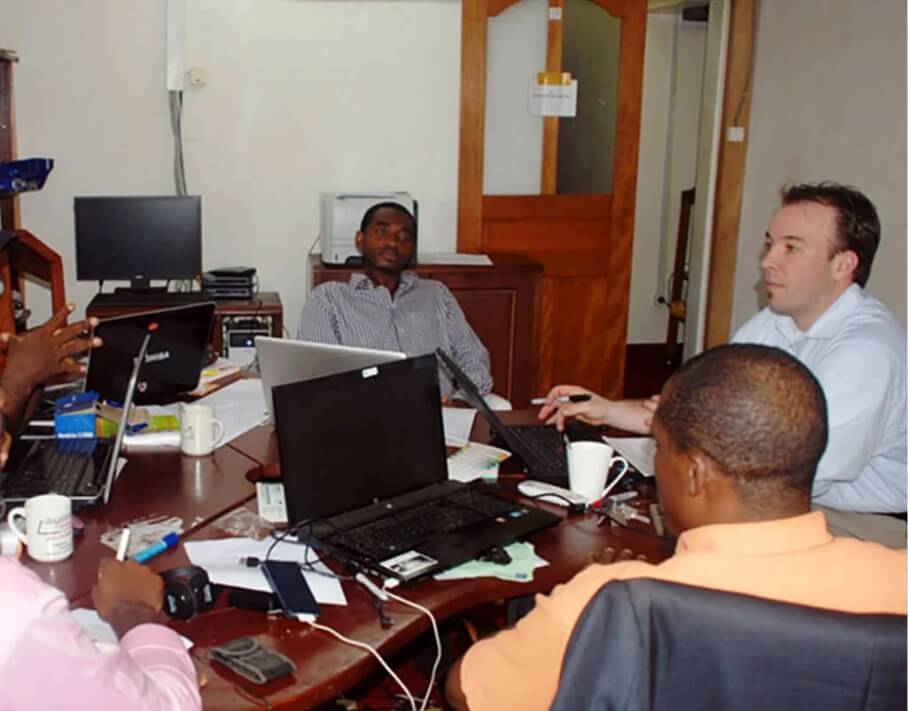
March 2014
Promotion and Increased Visibility of the African Model Forest Network
Type of mission
Support and Tool Development
Partners
CUSO and Réseau Africain De Forêts Modèles (RAFM)
Context and Issues
The AMFN
The African Model Forest Network (AMFN) is one of seven networks that make up the International Model Forest Network. The AMFN includes two model forests in Cameroon and several others under construction in other Congo Basin and West African countries, notably in the Democratic Republic of the Congo, the Central African Republic, and Rwanda.
The African forests are brimming with natural resources. However, many of the communities that live in them are poor and marginalized. By supporting the development of model forests founded on the principles of cooperation, innovation, good governance and local leadership, the AMFN gives local communities and groups of players a voice, and helps them to get out of poverty by developing innovative and productive initiatives.
Without that process, communities would not be heard and would often find themselves in situations of conflict with other local stakeholders.
The SAMFN
The Secretariat of the African Model Forest Network (SAMFN), located in Yaoundé, Cameroon, supports the construction of model forests and the consolidation of a development and governance model. It contributes to the creation and implementation of viable environmental and development policies, and strives to strengthen partnerships. Moreover, it facilitates the transfer and sharing of knowledge in all areas involving model forests, from environmental responsibilities, sustainable development and innovation, to African unity and international solidarity.
The communications activities of the SAMFN are essential to the attainment of the AMFN’s goals. They play a key role in raising awareness in relevant populations, in the dissemination and promotion of successful cases, and in the mobilization of resources.
RPSF’S Role
To fulfill its communications responsibilities, the AMFN was seeking to strengthen the capacities of the communications team, both in terms of drawing up promotional plans and strategies and drafting and publishing promotional documents. Those needs meshed perfectly with the PRWB’s mission, which was to help organizations working with populations facing development challenges, by enhancing their skills in using public relations as a lever for social and economic progress. A PRWB mission head was therefore assigned to work with the AMFN as part of a skill-enhancement mission.
Results
The AMFN communications team now has a better understanding of writing techniques required to create quality content that will attract the attention of its various target publics. Whether it is addressing donors, institutional or NGO partners, or populations that will benefit from model forest projects, the communications team should be in a position to produce content adapted to the specific needs of its target publics.
The electronic communications management training provided, notably regarding social networks, will help to expand the reach of the AMFN and lead to the sharing of strategic information with its various partners.
The study of effective Web site designs and analysis of the current AMFN Web site brought to light an urgent need to improve that essential communications channel. Even though budgets are not available in the short term for a complete restructuring, a significant change of content is possible and desirable, and can be achieved at no cost.
The establishment of a structure and well defined processes will help the communications team to target its activities and demonstrate its progress to management, while a better prioritization of tasks will allow the communications team to focus on projects with high added value.
Heads of Mission
Mathieu Larocque
Tunisia
February 2014
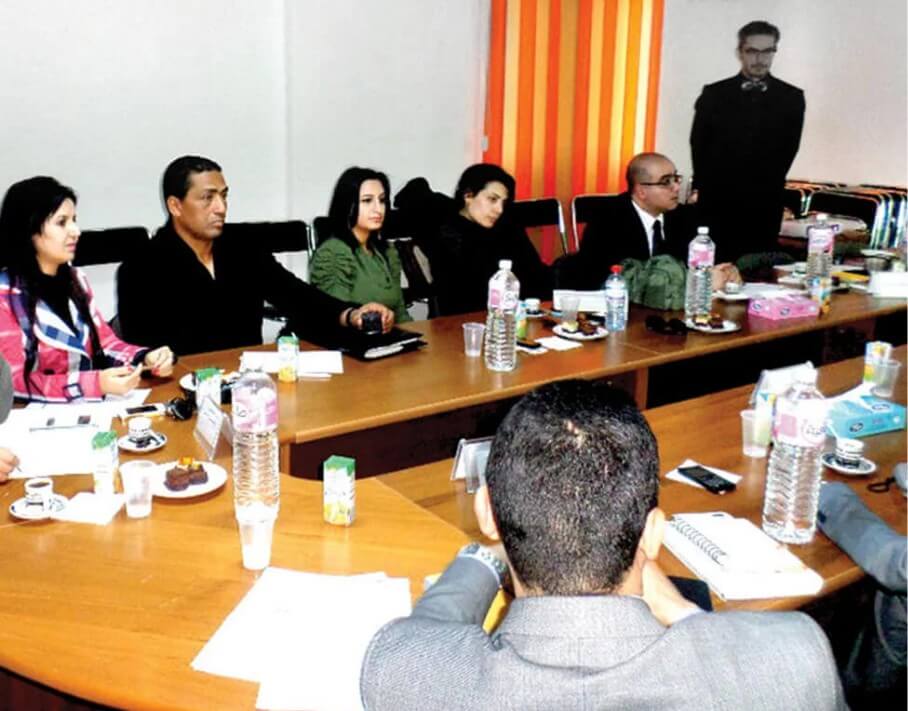
Support for the Observatoire tunisien pour l’indépendance de la magistrature (OTIM)
Type of mission
Support and Tool Development
Partners
OTIM
Context and Issues
In the aftermath of the Tunisian revolution in January 2011, the public space suddenly opened up in Tunisia after decades of dictatorship. This necessitated a rapid and sometimes chaotic learning process for the media and civil society.
Access to democracy in Tunisia led to the creation or formalizing of dozens of civil organizations. Formerly silenced and ostracized players were able to operate freely in a public forum that was being redefined.
The different elements that comprise the judiciary were granted the right to free speech, which had previously been unimaginable. The Observatoire tunisien pour l’indépendance de la magistrature was created in in this context, in March 2012.
Created by its president, Ahmed Ahmouni, OTIM is a non-profit organization under the law. Former president of the Association of Tunisian Magistrates, Mr. Ahmouni set up OTIM with the aim of contributing to achieving the independence of the judiciary. In this country, emerging from decades of dictatorship, public and government agencies must be educated on the importance of this concept, essential in any democracy.
Since its inception, OTIM has taken advantage of its president’s charisma, a strategy based on a constant media presence and the disproportionate media interest in a profession that was once muzzled.
RPSF’S Role
OTIM’s members are fairly active on social media, with a Twitter account and three Facebook accounts. They had already garnered recognition in the media. Through discussions prior to the mission, their needs were identified in order to structure their communications actions. The activities included communications diagnostics, stakeholder mapping, meetings with a number of stakeholders and recommendations to help them develop a communications plan.
Results
Through various activities and meetings, OTIM was able to grasp the importance of crafting its message, understanding who their primary stakeholders are, and identifying the role each steering committee member. The mission also identified the key elements in an integrated communications plan. There are plans to maintain contact during in the current year.
Heads of Mission
Morvan Le Borgne, M.A.
Jordan
February 2014
Reinforcing the Role of Youth in Promoting Human Rights and Democracy
Type of mission
Support and Tool Development
Partners
Equitas and Arab Network For Human Rights And Citizenship Education (ANHRE)
Context and Issues
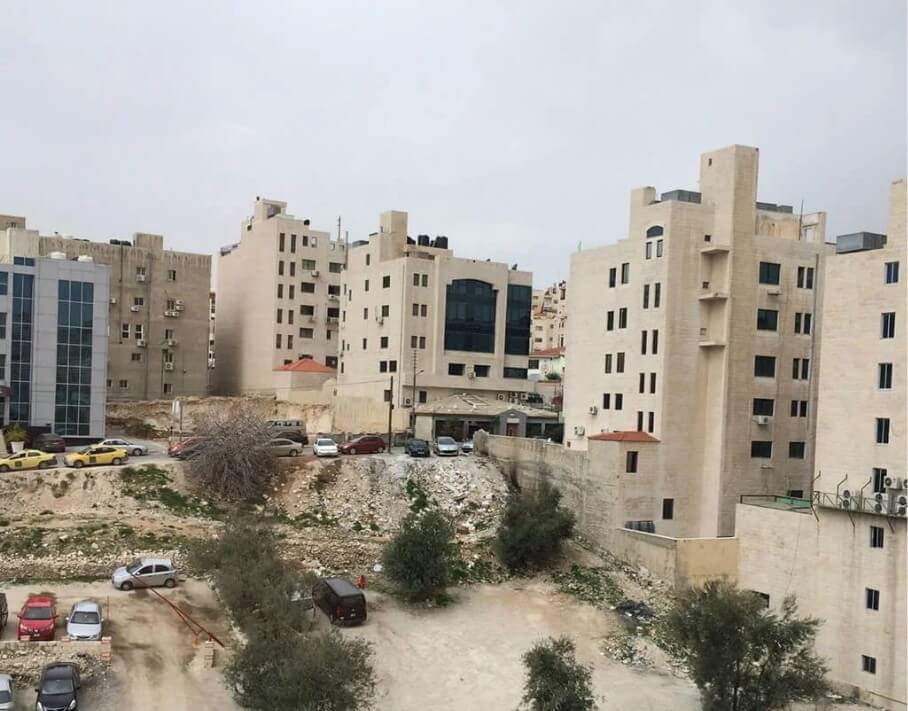
The three-year Mosharka project is funded by the European Union and set up by Equitas across a network of five countries in the Middle East and North Africa (MOAN or MENA): Jordan, Yemen, Egypt, Tunisia and Morocco.
The regional office, the Arab Network for Civic Education (ANHRE), is based in Jordan. It oversees the national partners in five countries, in collaboration with Equitas.
The Mosharka project is based on the vital role played by young people in the five countries who were at the centre of dramatic changes in the region.
With this project, the young people will be able to play and active role in promoting democracy, equality and fundamental rights and freedoms in their respective societies.
The project’s goal is to reach 2,000 youths in each country by the end of its third year, in 2016. There are, however, many challenges, for a variety of reasons: the national partner in Jordan is inactive, the work depends on the regional partner, which must work twice as hard, and resources to fill this need are insufficient. In addition, young people are quickly discouraged by the lack of follow-up due to the absence of a central database and tools to reach and communicate with them effectively.
RPSF’S Role
Equitas and ANHRE agreed to call on PRWB to analyze the communications plan and suggest ways of maximizing its impact in each of the five regions, assess the Mosharka project’s communication strategy, suggest improvements, and identify strategies and tools for implement the planned activities to ensure that goals are achieved.
Results
With the collaboration of Equitas staff, ANHRE and the national partners in five targeted countries, PRWB set up focus groups with the coordinators, one youth per national partner and the regional partner, with the aim of analyzing the scope and efficacy of the communications (strategies and tools), in order to identify the challenges, present possible solutions, per country, and to benefit the regional partner that oversees the entire process.
In addition to developing numerous tools to help reach these objectives, PRWB made ANHRE aware of the need to grow its capabilities in human resources and in recruiting, engaging and retaining youths, as well as in governance and qualitative evaluation.
Heads of Mission
Louis Moubarak, ARP
Mission Partners
Observatoire tunisien de l’indépendance de la magistrature (OTIM)
UPA-DI
Un enfant, des sourires (Tunisie)
SUCO
World Wordlife Fund
UPA-DI
Un enfant, des sourires (Tunisie)
SUCO
World Wordlife Fund